Industrial buildings often need natural daylight without leaving roof sections open to rain, dust, and weather exposure. Polycarbonate roofing sheets can provide a practical solution when daylighting is incorporated correctly into the overall roofing design.
For businesses comparing a Polycarbonate Roofing Sheet Manufacturer in Chikhali, understanding where these sheets should be used is important because their function differs from conventional metal roofing.
Why Polycarbonate Is Used in Roofing
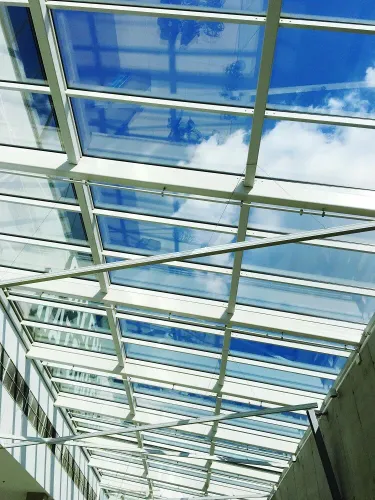
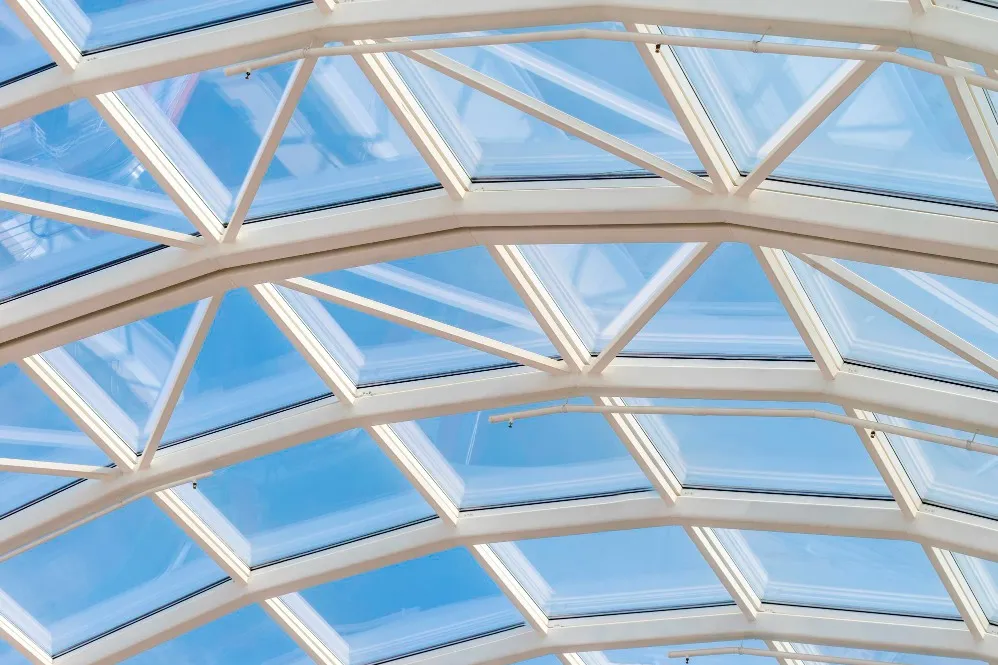
Polycarbonate is a lightweight material that can transmit natural light while providing roof coverage.
Within factories and warehouses, selected polycarbonate sections can help daylight reach interior areas that might otherwise depend heavily on artificial lighting.
Typical applications include:
- Factory roof daylighting
- Warehouse skylight strips
- Workshops
- Covered passages
- Loading areas
- Commercial sheds
- Utility structures
- Canopies
Polycarbonate is generally incorporated strategically rather than automatically replacing all metal roofing.
Daylighting Requires Planning
Installing more translucent roofing does not always mean a better building.
Excessive daylight openings can increase glare and solar heat gain. Poor placement may create bright areas where light is not actually needed.
The objective should be controlled daylight distribution.
For a factory, for example, translucent sheets may be positioned in selected roof bays so that natural light reaches working areas more evenly.
Match the Sheet With the Roof Profile
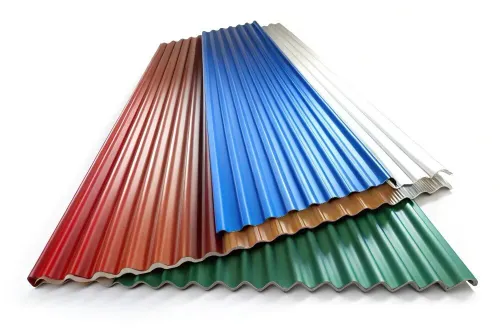
Compatibility is especially important when polycarbonate sheets are installed alongside metal roofing.
The sheet profile should integrate properly with adjoining roofing materials to maintain consistent overlaps and weather protection.
Buyers should therefore check profile compatibility before placing the order rather than trying to adjust mismatched materials on site.
Consider Expansion and Installation
Polycarbonate behaves differently from metal under temperature changes. Installation practices should allow for appropriate movement and use compatible fixing methods.
Over-tightening or unsuitable fastening can create stress around fixing points.
Contractors should follow the relevant product and installation specifications for the selected sheet.
Think About the Interior Requirement
Before deciding how much polycarbonate roofing is required, consider:
- Where workers spend most of the day
- Which areas currently require artificial lighting
- Roof orientation
- Existing ventilation
- Internal heat generation
- Machinery placement
- Storage layout
These factors help determine whether daylighting will provide practical value.
Pune Region Conditions Matter
Chikhali and the broader Pune industrial region experience strong sunlight as well as monsoon rainfall. A daylighting system therefore needs to balance light transmission with weather protection and thermal considerations.
Roof slope, sealing, overlap, and drainage remain important even when only small sections of polycarbonate are installed.
Coordinate It With the Main Roofing Order
One practical procurement approach is to plan metal roofing and polycarbonate daylighting simultaneously.
Hi Tech Patra Depo provides roofing materials for industrial and commercial applications, including polycarbonate roofing requirements. Coordinated planning can help buyers verify profile compatibility and quantities before installation begins.
Avoid Treating It as a Decorative Addition
Polycarbonate roofing performs best when it solves a defined building requirement.
If the objective is daylight, determine where that daylight is needed. If the objective is weather-protected transparency, evaluate the exact area and exposure.
For buyers evaluating a Polycarbonate Roofing Sheet Manufacturer in Chikhali, the most useful questions concern light transmission, profile compatibility, thickness, installation requirements, and application suitability.
Correctly planned translucent roofing can become a functional part of an industrial building rather than simply an aesthetic feature.
Keywords