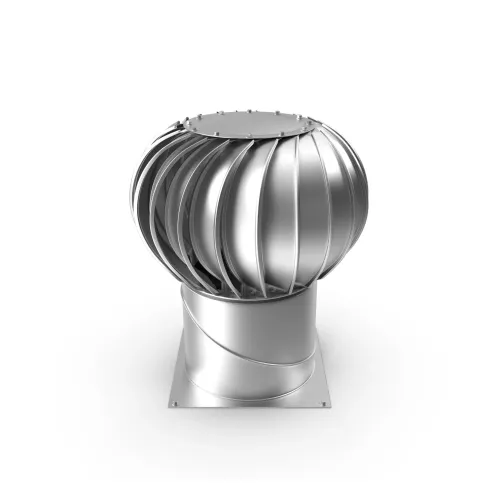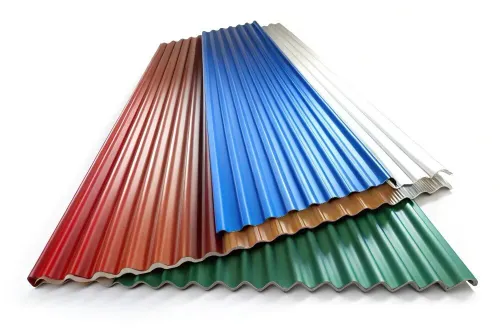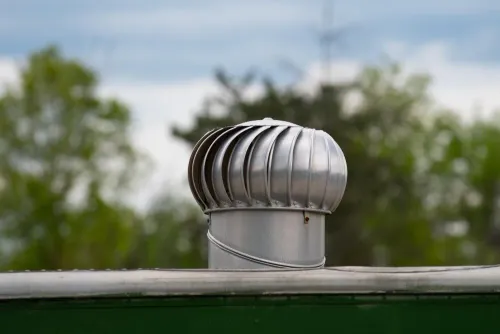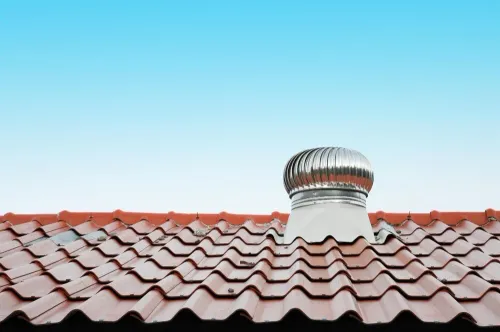
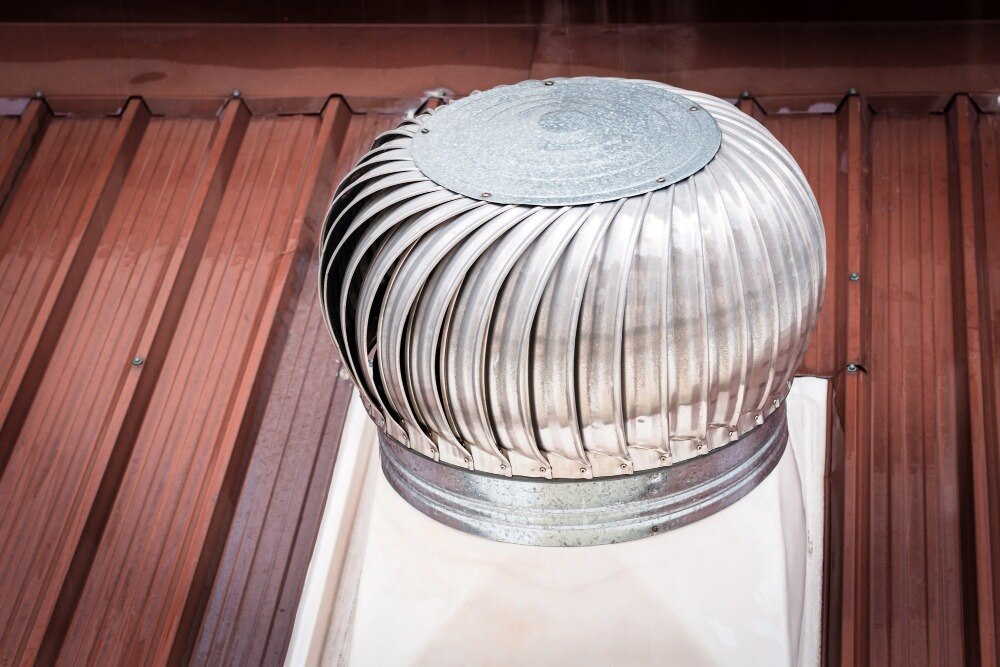
A turbine that stops, rattles, leaks or extracts little air may have a damaged bearing, a poor roof penetration, inadequate replacement air or simply too little wind to drive it. By the end, you will be able to separate mechanical faults from building-design problems, specify the right unit and compare a quotation before approving roof work.
Key takeaways
- Check airflow, water entry and mechanical faults before replacing a ventilator.
- Ask for airflow data, material grade, throat diameter and wind-performance limits.
- Inspect flashing, curb height, sealant and the complete exhaust path.
- Compare quotations by warranty, maintenance access, installation scope and test documents.
Diagnose the Daund conditions before blaming the ventilator
Before replacing a unit, classify turbine ventilator problems Daund as an airflow, water-entry or mechanical fault. Low wind reduces a wind-driven turbine’s output; high humidity and monsoon rain expose weak penetrations; dust can restrict movement; heat buildup can exceed the device’s purpose. Industrial emissions need source control, not just roof exhaust.
Check the building before blaming the rotor:
- Look for sealed eaves, blocked wall louvers and undersized intake openings. Without replacement air, negative pressure reduces extraction and pulls dusty air through doors and roof gaps.
- Inspect roof-level obstructions, parapets and taller buildings that create wind shadow. Check whether stored materials or new roofwork block the air path.
- Identify furnaces, ovens and process heat sources that exceed passive ventilation. The unit cannot replace source-capture extraction for welding fumes, solvents, combustion products, silica dust, combustible dust or code-required smoke exhaust.
| Diagnosis | What to inspect | Likely conclusion |
|---|---|---|
| Inadequate driving force or intake | Wind exposure, intake openings, louvers, heat load | Building or design fault; request airflow or air-change data at stated wind speeds and temperature differences, not an uncited CFM claim |
| Water entry at penetration | Curb, flashing, sheet-profile fit, laps, washers and sealant | Roof ventilation problems Daund often begin at the penetration, not the rotating head |
| Mechanical deterioration | Hand rotation, scraping, wobble, bent blades, bearing noise, rust and loose fasteners | Unit fault requiring repair or replacement |
Match each symptom to a repair, replacement or airflow correction
Match each symptom to the fault before ordering parts. This prevents turbine ventilator problems in Daund from being misdiagnosed as a defective rotating head.
- No rotation: Isolate the unit and spin it by hand. Check seized or contaminated bearings, bent blades, blocked air paths, low wind and negative pressure caused by missing make-up air from sealed eaves or inadequate wall openings.
- Slow rotation: Remove dust, bird nests and paint overspray, then check bearing drag, blade damage and roof-level obstructions. If the building lacks replacement air, add or unblock intake openings; installing another turbine will not solve the pressure imbalance.
- Grinding, rattling or vibration: Inspect shaft run-out, rotor balance, loose fasteners, distorted base plates and bearing wear. Tighten or replace failed fasteners and bearings only after confirming that the rotor and housing remain true.
- Rain leakage: Inspect the curb, formed flashing, sheet-profile fit, side laps, end laps, washers and sealant. Wind-driven monsoon water usually enters the penetration or roof laps, not the rotating head.
- Rust: Examine the blades, neck, base, fasteners, washers and bearing housing. Replace parts where corrosion has reduced strength, and prevent galvanic corrosion by separating incompatible metals that remain wet during the monsoon.
- Stopping after roof work: Remove debris and insulation, correct crushed flashing, clean overspray, reconnect intake paths and repair foot-traffic damage.
Repair failed fasteners, bearings or sealant when the rotor, housing and opening remain sound. Replace a bent rotor, corroded base or damaged neck.
Compare the specifications that determine real performance
Compare quotations by construction, tested airflow and roof compatibility, not by a larger-looking catalogue diameter.
| Feature | Require in quotation | Why it matters |
|---|---|---|
| Metalwork | Stainless-steel grade, or alternate metal with coating; sheet thickness | Corrosion resistance and stiffness differ |
| Rotor and neck | Blade count, blade profile, throat or neck diameter, effective free area | These control air passage and pressure performance |
| Support assembly | Base dimensions, shaft construction, bearing type, rain hood, flashing arrangement, fastener material | Weak supports, poor bearings or unsuitable flashing cause vibration and leaks |
| Performance | Rated airflow test or stated test method, wind-speed range, temperature-difference basis and pressure data | A CFM claim without conditions cannot be compared |
| Fixing | Dimensioned fixing pattern and load assumptions | Thin sheet alone may pull out under uplift |
Nominal turbine diameter is not a capacity rating. Two units with the same diameter can have different throat areas, pressure performance and resistance to wind-driven rain. Ask a turbine air ventilator manufacturer in Daund to state the test conditions.
Choose quantity and spacing from roof area, building volume, heat load, process load, air-change target, intake area, roof geometry and tested coverage. Reject any universal “one unit per area” rule; wind shadow behind parapets or taller roofs can reduce output sharply.
Before acceptance, verify sheet profile and pitch, purlin layout, clear roof area, insulation, skylights, ridge details, and nearby electrical, fire-suppression and exhaust equipment. Require wind-uplift fixing design checked to IS 875 (Part 3), including roof-edge and corner suction.
Specify the penetration, airflow path and safe installation
Prevent roof ventilation problems in Daund by requiring a dimensioned cut-out drawing before roof work begins. It must show the compatible curb or base flashing, fastener locations, washer material, sheet-profile fit, side-lap and end-lap treatment, and airflow path from eaves or wall openings to the turbine.
Specify formed flashing, mechanical fixing, and compatible butyl or elastomeric sealant. Silicone alone is not a flashing system: ultraviolet exposure, thermal movement, and moving sheets can break its adhesion. Protect the existing roof coating, and define roof access, walkway, anchor points, and fall protection before installation.
Support the ventilator through suitable purlins or structural members. Do not rely on thin roof sheet unless the assembly is engineered for that sheet and span; check uplift, edge suction, and corner suction under IS 875 (Part 3).
- Require written confirmation that the support transfers wind uplift into the structure.
- Commission in still and windy weather; check door resistance, sheet flutter, dust migration, rain entry, and airflow through eaves or wall openings.
- Reject installation if extraction pulls rain or dust through loose laps, doors, or cladding.
| Option | Best use |
|---|---|
| Powered exhaust fan | Guaranteed airflow, controlled filtration, or make-up air |
| Designed local exhaust | Welding fumes, solvents, dust, or other contaminants |
| Ridge vent or natural ridge ventilation | Suitable ridge geometry and continuous intake path |
| Wall louver | Adequate wall area and direct replacement-air path |
| Static roof cowl | Passive discharge where airflow demand is modest |
| Turbine ventilator | Wind-assisted heat removal where intake air and wind exposure are reliable |
Use a supplier checklist for inspection, maintenance and quotation comparison
Document the site before requesting a quotation: photograph the roof, penetration, sheet profile, pitch, purlin spacing, intake openings and leak locations. Attach roof drawings, building dimensions, process heat sources, dust or emissions, operating conditions and observed symptoms.
Before purchase, isolate the ventilator from electrical, mechanical and fall hazards, then spin the turbine by hand. Record free movement, wobble, scraping, bearing noise, blade damage, open seams, neck condition, base plate, fasteners, flashing, sealant and corrosion.
Ask the turbine air ventilator supplier Pune for written answers covering:
- Dimensions, material grade, coating, airflow basis, load and wind assumptions
- Leakage responsibility, delivery, installation, testing and access-equipment scope
- Bearing or rotor availability, warranty exclusions and rectification times
Compare quotations line by line:
| Item | Confirm in writing | Cost risk if omitted |
|---|---|---|
| Ventilator and base | Model, dimensions, curb or base | Wrong roof fit |
| Flashing and sealing | Profile fit, washers, sealant | Monsoon leakage |
| Site work | Cutting, installation, testing, transport, taxes | Unplanned extras |
Set dated maintenance records for dust and bird-nest removal, bearing and fastener checks, post-monsoon sealant inspection and corrosion removal. Ask the turbine air ventilator manufacturer in Daund for each interval and the acceptance test.
Hi Tech Patra Depo belongs in the same comparison: assess its written evidence, not proximity or claims such as “powerful” and “energy saving.”
Related products
 | Turbine Ventilator Turbine Air Ventilator Manufacturer, Supplier, Distributor, Dealers, Trader In Pune, PCMC, Chakan, Talawade – Efficient & Energy Saving Ventilation... View product → |
 | Turbo Ventilator Fan Hi Tech Patra Depo – Leading Turbo Ventilator Fan Manufacturer, Supplier, Distributor, Dealers in Pune, Pimpri Chinchwad Hi Tech Patra Depo is a... View product → |
Frequently asked questions
How should you diagnose turbine ventilator problems in Daund?
Classify the fault as airflow, water entry or mechanical. Check wind conditions, dust buildup, turbine movement, roof heat, flashing and leakage points before replacement.
When does a turbine ventilator need repair or replacement?
Repair restricted movement, loose fasteners, damaged seals or blocked airflow paths. Replace a unit with failed bearings, corrosion, distorted blades or unsuitable capacity.
Which specifications determine a turbine ventilator’s real performance?
Compare throat diameter, airflow rating, material and thickness, bearing type, wind-performance data, rain protection and the conditions used for testing.
What should buyers check before installing a roof turbine ventilator?
Confirm the roof penetration, curb or flashing dimensions, sealant compatibility, exhaust path, structural support, safe access and protection from industrial emissions.
Related products
 | Turbine Ventilator A turbine ventilator, also known as a turbo ventilator or wind-driven roof ventilator, is a rotating ventilation device installed on the roof of... View product → |
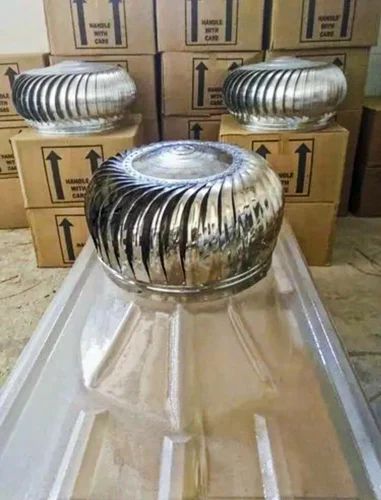 | Roof Turbo Ventilator Manufacturer, Supplier, Distributor, Dealers in Pune, Pimpri Chinchwad, Chakan, Talawade – Energy Efficient Ventilation Solutions Looking for a... View product → |
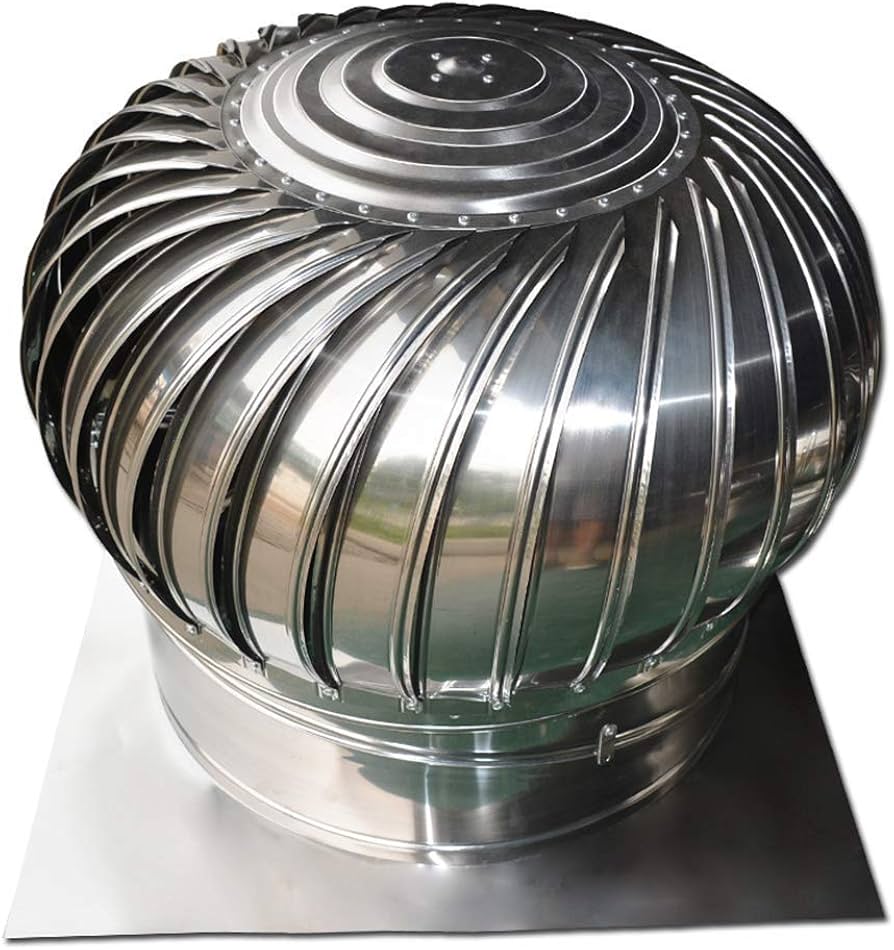 | Roofing Ventilator A roofing ventilator is a wind-driven ventilation system mounted on the roof sheet of industrial structures. View product → |
Keywords