A suitable roof turbine depends on more than shed floor area or the diameter printed on a catalogue. You need to calculate the exhaust demand, provide enough replacement-air openings, match the ventilator and flashing to the roof, and compare airflow data under stated test conditions.
Key takeaways
- Size ventilators from heat-load and air-change calculations, not floor area alone.
- Provide replacement-air openings large enough to support the planned exhaust.
- Compare stainless grade, blade construction, flashing, bearings and measured airflow.
- Reject passive turbines where powered extraction or process ventilation is required.
Calculate the exhaust requirement from heat, volume and airflow data
A shed’s ventilator count comes from the larger of two airflow calculations, not floor area alone. Calculate sensible-heat exhaust as Q = H/(ρcpΔT), where H is heat input in watts, ρ is air density, cp is air’s specific heat, and ΔT is the permitted indoor-outdoor temperature rise.
Check it against Q = (shed volume × target air changes per hour)/3,600.
- Measure process heat, roof solar gain, occupancy and shed volume. Include crane bays, mezzanines and high storage that can trap hot air.
- Example: 60 kW of heat with a 5°C temperature difference requires about 9.95 m³/s, or 35,800 m³/h, before other checks.
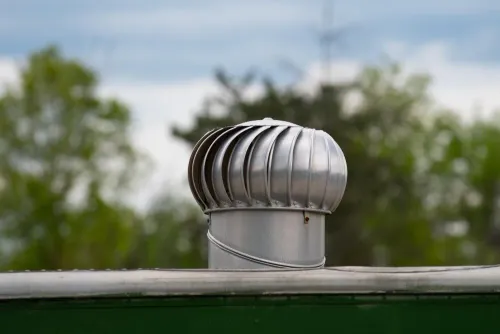
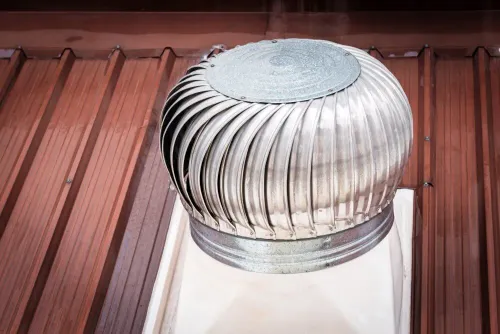
- Divide required airflow by one unit’s tested airflow at a stated wind speed and pressure. If the passive roof-mounted wind turbine ventilator delivers 3,000 m³/h under that condition, the example needs 12 units, then round up for layout and weather margin.
- Reject a quotation showing only diameter or unqualified CFM. Ask for airflow test conditions, throat opening, operating wind range and maximum wind rating.
- Distribute units above heat-producing zones rather than clustering them at one roof edge. Provide openable low-level louvers or doors; a sealed shed makes turbines spin without useful air movement.
- Use local mechanical extraction for welding fumes, solvents, dust or combustion gases. Passive turbines cannot guarantee contaminant capture during calm, humid weather.
When comparing a turbine air ventilator manufacturer in Pune, request the same airflow condition from every supplier. A motorized fan is a different product and must be sized by its fan curve, electrical supply and noise requirement.
Check whether replacement-air openings can support the exhaust
A roof turbine needs a clear, low-resistance path for outside air to enter. Add the net free area of open doors, wall louvers, side curtains and façade inlets, then compare that total with the exhaust airflow specified for the turbines at a stated pressure and wind speed.
Check the openings as they will operate, not as they appear on the drawing:
- Record each opening’s width and height, then reduce louver or grille dimensions by its stated net free-area percentage.
- Confirm that doors and side curtains remain open during hot production periods; a closed shutter contributes zero inlet area.
- Place low-level inlets around the shed instead of relying on one doorway. High racks, mezzanines and partitions can block the route to the roof.
- Request an airflow-versus-pressure curve for each passive roof-mounted wind turbine ventilator. Reject a quotation that states only diameter or an unqualified CFM figure.
- Inspect for blocked louvers, insect mesh, dust buildup and rain hoods that increase resistance; test airflow with smoke at the inlet and near the roof while the openings are operating.
If the turbines spin but smoke lingers at worker level, the inlet path is inadequate even when the total opening area looks large. Ask a turbine air ventilator supplier in Pune to state the required replacement-air area and the assumptions behind it. If openings cannot remain open, use controlled louvers or consider mechanical extraction.
Compare stainless grades, construction details and real performance
Choose SS 304 for ordinary inland exposure around Rajgurunagar, provided the shed does not release corrosive fumes. Specify SS 316 when chloride contamination, chemical vapour, cleaning chemicals or frequent wetting is expected. State the grade separately for blades, hub, casing, shaft, fasteners and exposed hardware; “stainless steel” alone proves little.
| 304 | Suitable for ordinary inland industrial air | Lower cost; protect from stagnant moisture and chemical fumes |
|---|---|---|
| 316 | Better resistance to chlorides, fumes and repeated wetting | Use near salt contamination, chemical processes or aggressive cleaning |
| Galvanised steel or aluminium | Lower initial cost, but coating damage or dissimilar-metal contact can accelerate corrosion | Consider only after checking exposure, isolation and maintenance access |
Do not compare outside diameter alone. Ask a roof turbo ventilator manufacturer in Pune for:
- Sheet thickness, turbine diameter, base size, roof-profile compatibility and clear effective throat opening
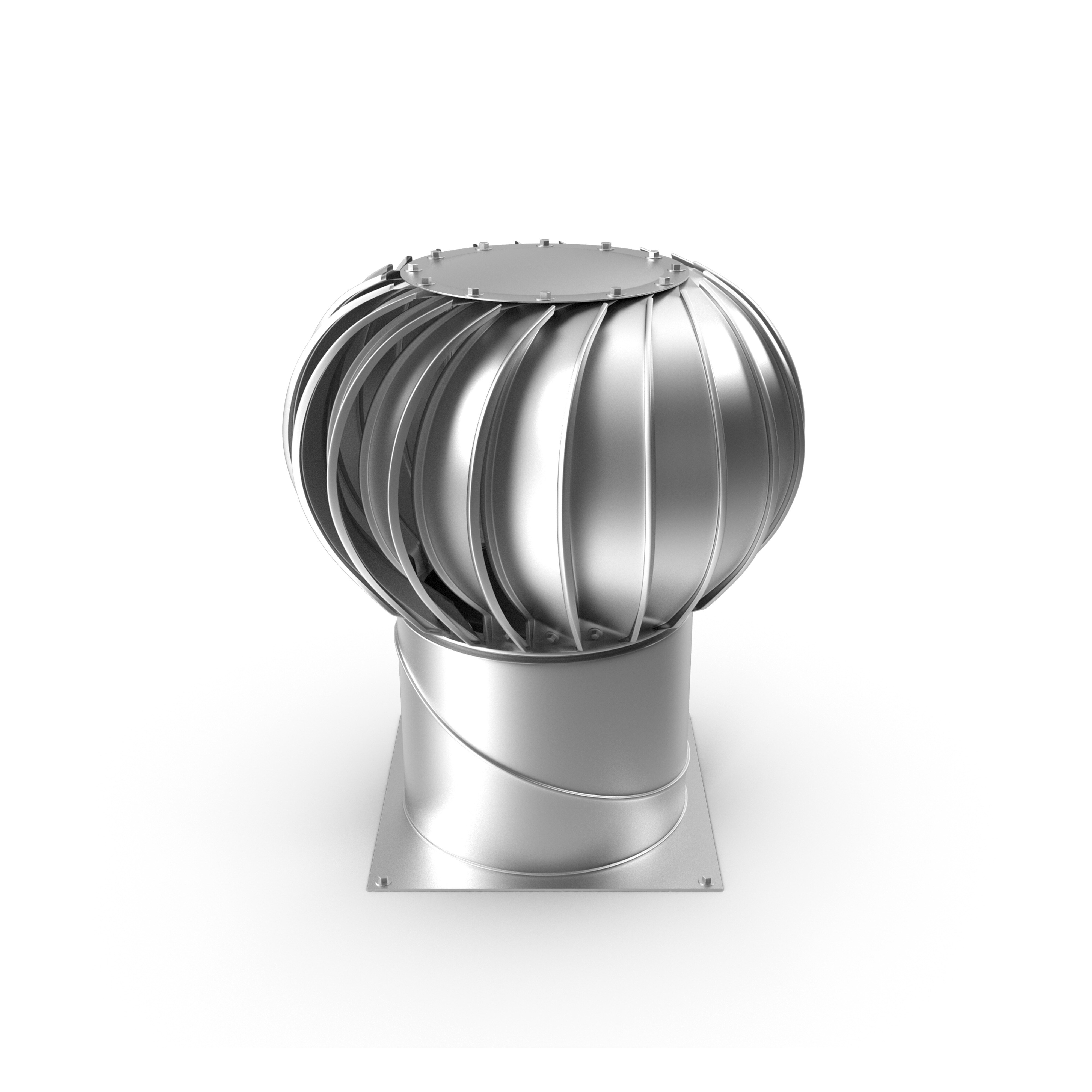
- Blade count, rotor pitch, hub design, bearing type, shaft construction and maximum operating wind rating
- Airflow in cubic metres per hour or CFM at a stated wind speed or pressure, plus a performance curve or test report
The specification must identify a passive roof-mounted wind turbine ventilator, not a motorized fan. A large nominal throat can conceal blocked blades, a narrow throat or high pressure loss, producing less exhaust than a smaller-looking unit.
Separate stainless steel from galvanised sheets, aluminium flashing and carbon-steel supports with isolation washers, compatible fasteners, protective coatings and drainage paths. Trapped water at these interfaces becomes a galvanic-corrosion point.
Match the ventilator and flashing to the existing roof structure
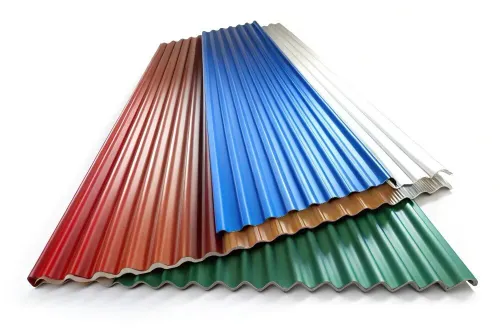
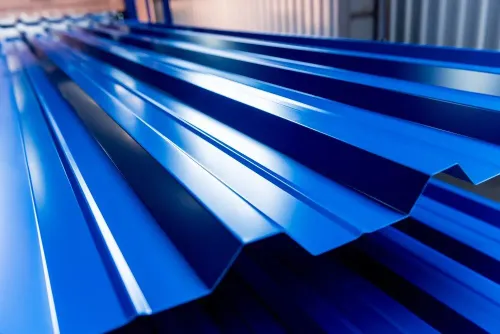
Before cutting an opening, confirm the roof sheet profile, pitch, rib spacing, thickness, corrosion condition and purlin positions. A flashing made for one trapezoidal profile will not seal reliably on another; forcing it with a thick bead of sealant can leave gaps that leak during Rajgurunagar’s monsoon rain.
1. Draw the proposed ventilator locations over the roof plan. Keep openings clear of purlins, ridge members, crane girders, mezzanines and other obstructions. Distribute units above heat-producing or occupied zones rather than clustering them at one edge.
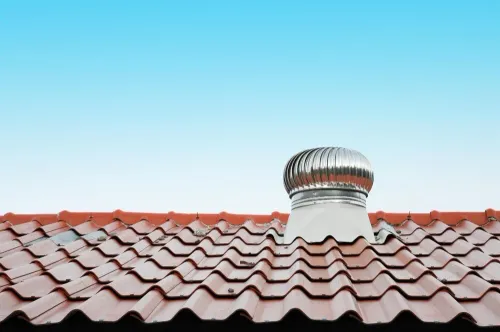
2. Measure the turbine base and throat opening against the sheet ribs. Specify a formed curb or flashing that follows the actual rib geometry, roof slope and sheet overlap, with an upslope weather stop and downslope drainage path.
3. Check how the load reaches the structure. The passive roof-mounted wind turbine ventilator, excluding a motorized fan, adds dead load, wind load, uplift and local sheet stress. Design the attachment for the project wind actions under IS 875 (Part 3), transferring forces to suitable purlins or frames instead of thin sheet alone.
4. Prevent galvanic corrosion where stainless steel, galvanized sheet, aluminium flashing and carbon-steel supports meet. Use compatible fasteners, isolation washers, protective coatings and sealed-but-draining joints; do not trap water beneath the flashing.
5. Ask a turbo ventilator fan supplier in Pune for a roof-profile drawing, base dimensions, fixing pattern, curb material and installation method. Reject a quotation that provides only a diameter and airflow claim.
Use a purchase checklist that separates suitable passive ventilation from the wrong application
Request a quotation for a passive roof-mounted wind turbine ventilator, not merely a “large-diameter” unit.
Whether you approach a turbine air ventilator manufacturer in Pune, turbine air ventilator supplier in Pune, roof turbo ventilator manufacturer in Pune, or turbo ventilator fan supplier in Pune, demand airflow at a stated wind speed and pressure, free area, sheet thickness, bearing type, flashing detail, structural load, maximum wind rating, warranty, and test method.
State that a motorised fan is excluded. An unqualified CFM figure cannot be compared.
- Specify the SS grade, blade count, throat opening, base size, fastener material, and corrosion exposure.
- Request a drawing showing curb height, side laps, end laps, upstand, and mechanical fastening; sealant must not be the only rain barrier.
- Confirm inlet-air area from openable louvers, wall openings, or side curtains, plus the operating position of each opening.
- Require the supplier to identify dead, wind, and uplift loads for checking against the roof structure and IS 875 (Part 3).
- Ask Hi Tech Patra Depo to state the exact test condition behind every airflow value.
| Option | What it means | When it applies |
|---|---|---|
| Passive turbine | Wind and stack-driven exhaust; no fixed minimum airflow | Heat relief with clean processes and adequate inlets |
| Mechanical extraction | Motorised fan with controlled airflow and capture hood | Welding fumes, solvents, dust, combustion products, or calm humid conditions |
| Hybrid system | Passive turbines plus powered extraction | General heat removal with intermittent contaminant capture or dependable minimum airflow needs |
Frequently asked questions
How do you calculate the number of turbine ventilators for a shed?
Calculate airflow from sensible heat using Q = H/(ρcpΔT), then calculate airflow from the required air-change rate. Size the system from the larger result and divide it by the ventilator’s verified airflow at the intended wind and temperature conditions.
Why are replacement-air openings important for roof turbine ventilators?
Exhaust cannot reach its rated airflow when the shed is too tightly sealed. Check louvres, wall openings and doors, then compare their free area—not their outside dimensions—with the required incoming airflow.
Which stainless-steel details should you compare?
Check the stainless grade, sheet thickness, blade shape, shaft and bearing protection, fasteners, corrosion exposure and the manufacturer’s measured airflow data. Do not compare grade alone.
How should you match a turbine ventilator to an existing roof?
Confirm roof sheet profile, pitch, purlin spacing, opening size and flashing design before ordering. The flashing must seal around the actual profile without crushing or overloading the sheet.
When is a passive turbine ventilator the wrong choice?
Choose powered extraction or a designed mechanical ventilation system when you need controlled airflow, filtration, smoke extraction, process-fume removal, night cooling independent of wind, or a guaranteed air-change rate.
Keywords