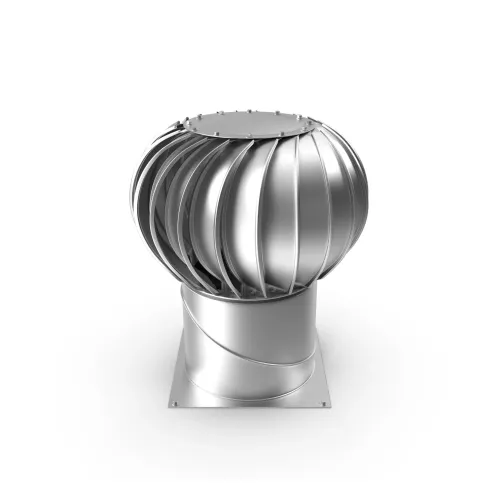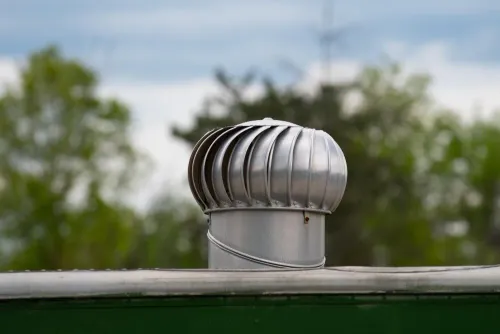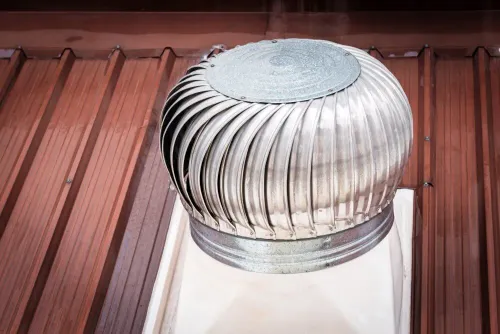
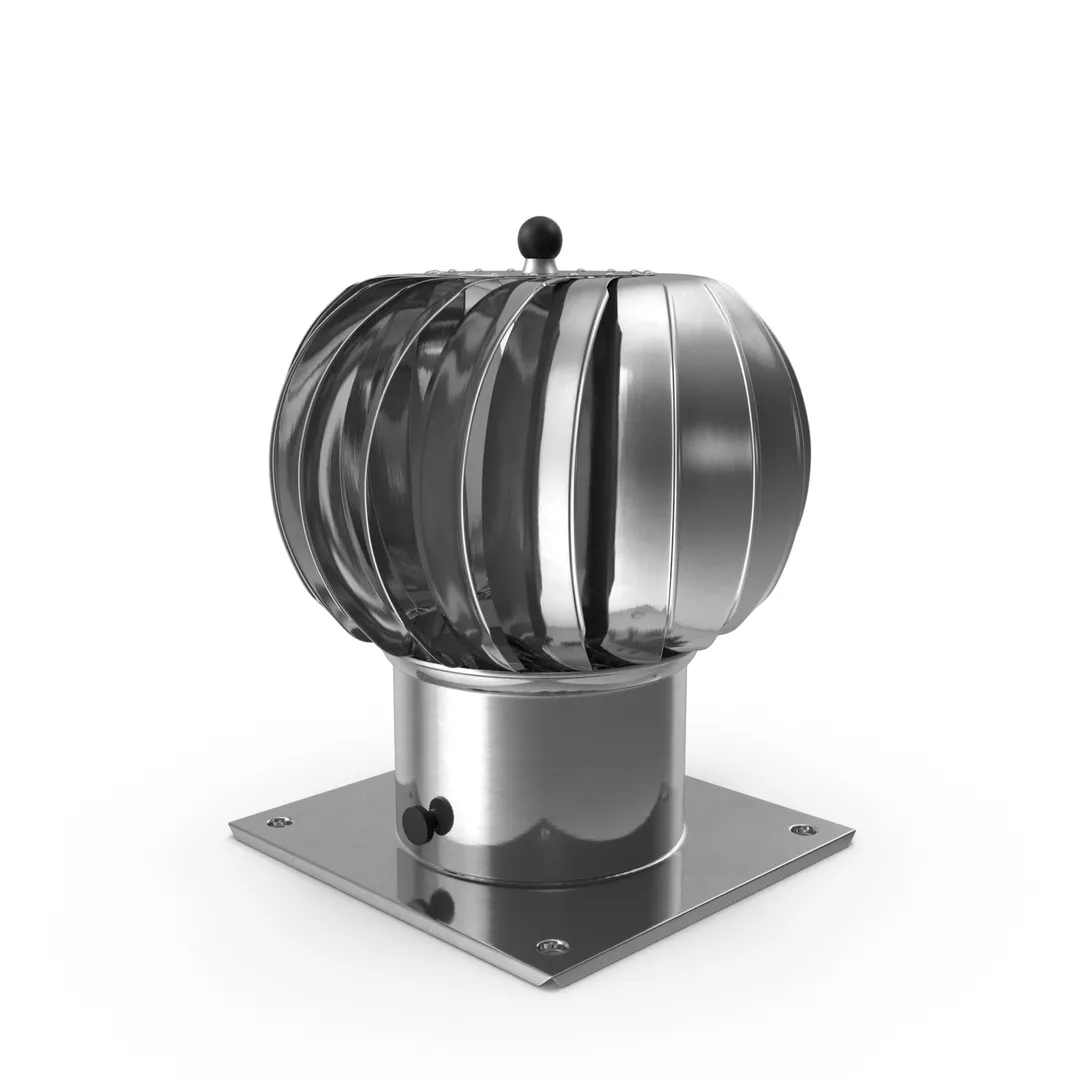
Planning a new industrial building or upgrading an existing facility involves many decisions, and ventilation is often one of the most important. While roofing materials protect the structure from external weather, proper roof ventilation helps create a healthier and more efficient indoor environment. Businesses searching for a Roof Turbo Ventilator Fan Trader are usually looking for products that combine durability, reliable performance, and compatibility with modern roofing systems.
Factories, warehouses, engineering units, logistics parks, and commercial buildings generate heat throughout the day. Manufacturing equipment, lighting systems, welding operations, and production processes all contribute to rising indoor temperatures. Without proper ventilation, this trapped heat can affect employee comfort, increase humidity, and place additional strain on cooling systems where they are installed.
One of the first signs that a building requires better ventilation is noticeable heat accumulation near the roof. Employees working on production floors may experience uncomfortable conditions, particularly during summer. Moisture buildup, stale air, and condensation around roofing structures can also indicate insufficient airflow.
Businesses planning new facilities around Pune and nearby industrial regions such as Khed, Chakan, Talegaon, and Daund are increasingly including passive roof ventilation as part of their construction strategy rather than adding it later. Integrating ventilation during the design phase usually offers better long-term performance.
Before selecting a trader, buyers should clearly define their project requirements. Important considerations include:
- Total roof area
- Building height
- Internal heat generation
- Type of manufacturing activity
- Roof profile compatibility
- Number of ventilators required
- Material specifications
- Future maintenance expectations
A knowledgeable trader should be able to explain product options based on these practical requirements instead of recommending a single solution for every project.
Material quality remains another important factor. Roof turbo ventilators are exposed to sunlight, rainfall, dust, and changing weather throughout the year. Choosing corrosion-resistant products with durable bearings helps improve reliability and reduce maintenance over time.
Many buyers also ask whether roof turbo ventilators consume electricity. One of their major advantages is that they operate using natural wind movement and thermal air currents, allowing continuous ventilation without additional power consumption. This makes them suitable for industries seeking energy-conscious building solutions.
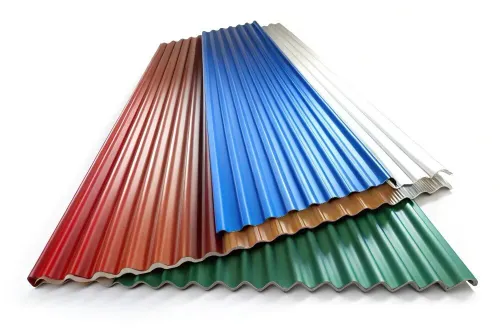
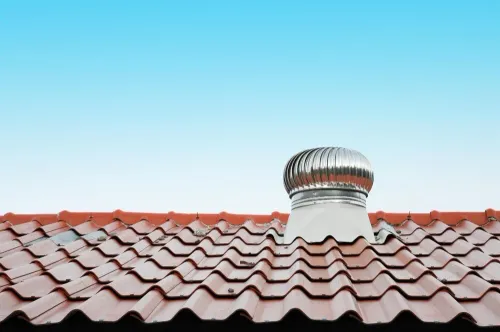
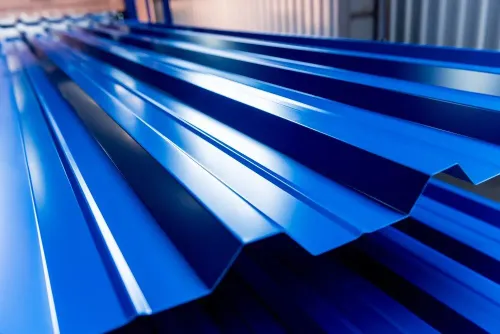
Compatibility with roofing sheets should never be overlooked. A well-integrated roofing and ventilation system helps maintain weather protection while supporting efficient airflow. Products selected independently without considering overall roof design may not perform as effectively.
It is also worthwhile to ask about product consistency. Large industrial projects often require multiple deliveries during different construction phases. Consistent manufacturing standards simplify installation and help maintain uniform building performance.
Industrial development across Maharashtra continues to emphasize sustainable infrastructure and practical facility management. Natural ventilation systems are becoming increasingly common in manufacturing plants, warehouses, commercial buildings, and fabrication workshops because they provide ongoing benefits with relatively low maintenance requirements.
Hi Tech Patra Depo supplies roofing products and ventilation solutions that support industrial construction across Pune and surrounding regions. The company works with contractors, builders, and industrial buyers by offering products suited to various project specifications while focusing on quality and long-term usability.
Selecting a dependable Roof Turbo Ventilator Fan Trader is about more than purchasing equipment. It involves understanding building requirements, evaluating product quality, and ensuring compatibility with the complete roofing system. Careful planning today can contribute to improved airflow, lower maintenance needs, and a more comfortable industrial workspace for years to come.
Keywords