A roofing sheet that looks suitable at the yard can fail after installation if its base-metal thickness, span rating, coating system or drainage details do not match the building. By the end, you will be able to inspect the roof, specify comparable sheets, test delivered material and compare the true installed cost before placing an order.
Key takeaways
- Define building use, roof geometry and exposure before requesting sheet quotes.
- Specify steel grade, thickness, coating mass and profile so bids match.
- Coordinate laps, fasteners, flashings, insulation and ventilation to control leaks and condensation.
- Compare manufacturers using test documents, samples, lead times and delivered roof cost.
Start with the Chakan building, not the sheet catalogue
A Chakan building’s use, geometry and exposure must be confirmed before you compare roofing sheets. An industrial shed storing chemicals, housing hot processes or containing high humidity has different corrosion and condensation risks from a dry warehouse.
1. Record the building use, internal temperature, humidity, fumes, dust and expected service life. These conditions determine coating, ventilation and maintenance needs.
2. Measure the roof span, purlin spacing, purlin orientation, roof slope and overhangs. Request the span-load table for the exact profile and base-metal thickness; a catalogue’s maximum span does not approve your configuration.
3. Calculate wind pressure under IS 875 (Part 3), including edge-zone and corner-zone uplift. Check sheet-span capacity, fastener pull-out, fastener pull-over and purlin capacity as separate failure modes.
4. Inspect the site’s exposure to monsoon rain, prevailing wind, nearby trees, dust and industrial emissions. Confirm how water will reach gutters, downpipes and discharge points.
5. Set the required sheet length and lap arrangement before ordering. End laps, side-lap direction, roof pitch, ridge details and blocked drainage determine leakage more than a thicker sheet alone.
6. Identify access for unloading, lifting and installation, plus maximum panel length that transport and site handling allow. Long panels reduce end laps but become difficult to move safely.
A written site checklist prevents the common mistake of choosing by colour or nominal thickness. Record every measurement, then ask suppliers to quote against the same roof conditions.
Specify the steel and profile so suppliers quote the same product
A 0.50 mm sheet is not automatically stronger than a 0.45 mm sheet with a deeper profile. Load capacity depends on base-metal thickness (BMT), profile geometry, steel strength and the distance between purlins.
Request the manufacturer’s span-load table for the exact profile and BMT. A catalogue’s “maximum span” does not approve that sheet for every roof. Check the table against dead load, maintenance load, wind pressure and uplift under IS 875 (Part 3), including separate checks for sheet bending, fastener pull-out, fastener pull-over and purlin capacity.
Put these details on every quotation request:
- BMT, not only total coated thickness (TCT)
- Coating designation and coating mass
- Yield strength and tensile strength
- Profile depth, pitch and effective cover width
- Supplied panel length and manufacturer’s length tolerance
- Purlin spacing covered by the span-load table
- Fastener type, washer size and maximum fastener spacing
| BMT | TCT | Procurement meaning |
|---|---|---|
| BMT | Steel thickness before coating; controls section strength | Compare this figure between quotations |
| TCT | Steel plus metallic coating and paint layers | Do not use it to judge bending capacity |
| Profile depth | Vertical rib height; deeper profiles usually improve stiffness | Match it to the span-load table and purlin spacing |
Check edge and corner-zone wind uplift separately; these zones often govern fastener spacing. Search results for “metal roofing sheet manufacturer in Pimpri-Chinchwad” identify suppliers, not proof of their roll-forming capability or BMT control. Ask for a signed span-load table and coil traceability before accepting the lowest quote.
Match the coating and sheet type to exposure and building use
Choose galvanised or colour-coated steel for most industrial roofs; reserve bare metal for short-term or protected applications and polycarbonate for controlled daylight panels.
| Option | Protection and limitations | Choose it when |
|---|---|---|
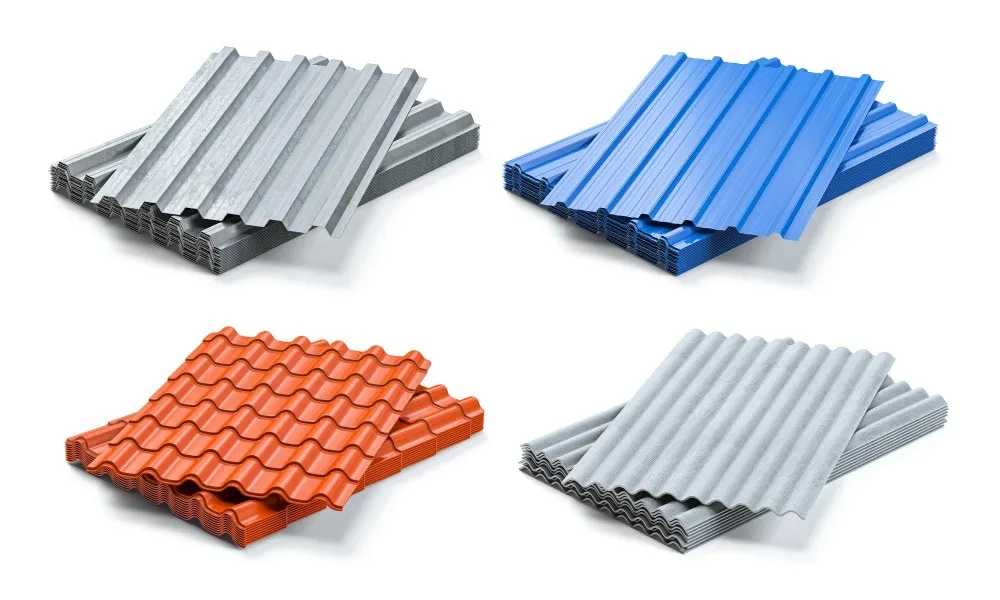
| Galvanised steel | Zinc coating protects exposed steel, but scratches, cut edges and drilled holes still need attention. | You need durable, economical sheeting for warehouses, workshops or utility buildings without a finished colour requirement. |
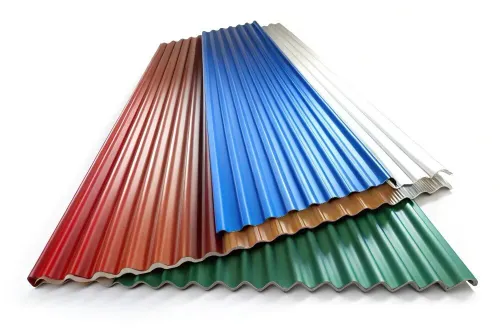
| Colour-coated steel | Metallic coating and paint provide layered protection; colour alone proves nothing. | The building needs appearance, extra barrier protection and a specified exposure-rated paint system. |
| Bare metal | No factory corrosion barrier; rust begins quickly where moisture, swarf or chemicals remain. | Use it only for temporary roofing, enclosed dry interiors or components that receive a separate approved coating. |
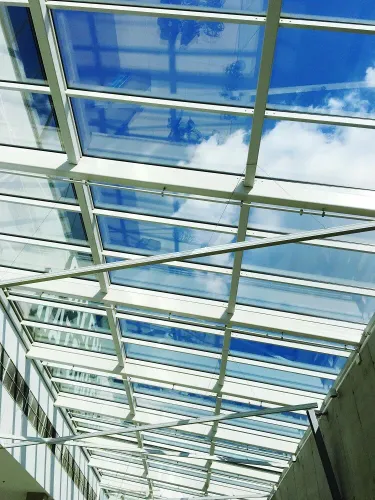
| Polycarbonate | Resists weather while transmitting daylight, but it is not a structural replacement for steel panels. | Use profiled translucent panels over work areas, with compatible laps, fasteners and allowance for thermal movement. |
For colour-coated steel, request substrate type, metallic coating mass or designation, primer and topcoat, paint-film thickness, colour tolerance and intended exposure category. Compare BMT, not total coated thickness: TCT can look larger without adding steel strength. A colour-coated roofing sheet manufacturer in pune should provide coil traceability, test records and written warranty exclusions.
Inspect the quotation for cut-edge treatment, installation limits and maintenance duties. Abrasive cutting throws hot swarf onto the coating; remove it immediately. Reject a generic “10-year warranty” until location, orientation, emissions, colour, inspection obligations and remedies are stated. Compare delivered cost using effective cover width, laps, trims, fasteners, wastage and replacement risk.
Prevent leakage and condensation through coordinated roof detailing
A thicker sheet will not stop leakage from a poorly detailed roof. Confirm the roof pitch, end-lap length, side-lap orientation, sealant or butyl-tape specification, ridge flashing, gutter discharge and maximum recommended sheet length before installation.
Control these installation points on site:
- Specify corrosion-compatible self-drilling screws, washer material and diameter, embedment into the purlin, permissible washer compression and replacement requirements. Over-driven washers cut the seal; under-driven washers leave entry paths.
- Keep laps clean and fully supported, align every sheet to the roof line, and replace sheets with damaged coating or punctured washers. Do not rely on sealant to correct an incorrect lap.
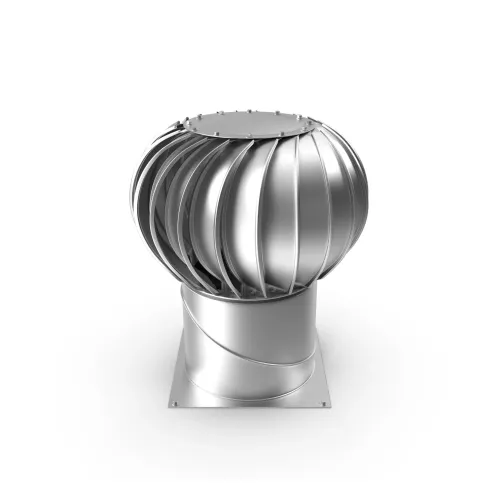
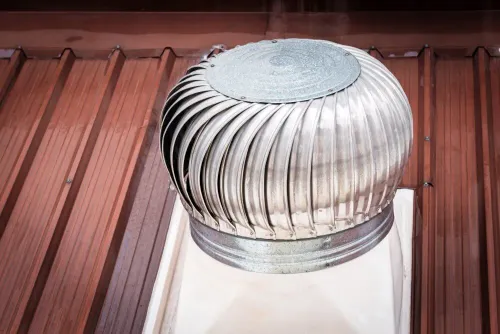
- Frame skylights, ridge ventilators, exhaust fans and solar penetrations before sheeting. Each needs flashing, structural support and safe maintenance access; each also creates a wind-uplift and leakage location.
| Detail | Specify | Failure prevented |
|---|---|---|
| Ridge and eaves | Continuous ridge outlet, low-level eave or wall inlets, free ventilation area, weather hood and insect or bird screens | Stagnant hot, damp air and wind-driven rain |
| Laps and edges | Sealed end laps, correctly oriented side laps, closures, ridge caps and properly discharged gutters | Capillary entry, ponding and rust at cut edges |
| Penetrations | Upstands, compatible flashings, fasteners and planned drainage | Leaks around fans, skylights and solar supports |
Warm moist air can condense beneath a cool metal roof over production areas. Use a tested vapour-control and insulation build-up or anti-condensation fleece; ventilation alone cannot replace insulation. A nearly sealed shed gains little from a ridge outlet.
Compare local manufacturers by evidence and delivered roof cost
Compare suppliers by auditable production evidence and delivered roof cost, not by a geographic label or price per nominal square metre. A listing for a roofing sheet manufacturer in Chakan or a roofing sheet manufacturer in Pune proves only where the seller markets its services.
Ask each bidder for the same evidence:
- Plant address and a visit or video showing coil entry, roll-forming equipment, cutting controls and finished-sheet storage.
- A sample mill test certificate stating BMT, yield strength, tensile strength and coating designation.
- Coil number traceability from the certificate to the supplied sheets, plus recent thickness and coating test records.
- The exact profile’s span-load table, supplied-length limit, manufacturing tolerances and site-service contact.
Hi Tech Patra Depo should be asked for this evidence on the same basis as every competing bidder; a catalogue profile is not proof of capacity or structural suitability.
Compare quotations using effective covered area and complete installation scope:
| Quote item | Check on offer | Cost consequence |
|---|---|---|
| Sheets | Effective cover width, BMT, lengths and wastage allowance | Laps can increase sheet quantity |
| Accessories | Ridge caps, flashings, gutters, sealant and fasteners by count | Missing items become variations |
| Logistics | Freight, unloading, crane access and damage replacement | A low ex-works price can cost more onsite |
| Installation | Labour, insulation, ventilation and fixing pattern | Exclusions shift cost and leakage risk |
Reject any quote that omits purlin spacing, edge and corner uplift checks under IS 875 (Part 3), or separately priced accessories.
Related products
 | Roofing Sheet Manufacturer, Supplier, Distributor, Dealers, Trader In Pune, PCMC, Chakan, Talawade, Dehu, Khed Hi Tech Patra Depo is a trusted and leading... View product → |
 | Roofing Sheet Manufacturer, Supplier in Pune, PCMC, Chakan, Bhosari, Talawade, Dehu – Durable & High-Performance Roofing Solutions Hi Tech Patra Depo is a leading... View product → |
Frequently asked questions
What should contractors assess before choosing roofing sheets in Chakan?
Confirm the building’s use, roof geometry and exposure. Chemical storage, hot processes and humid operations create different corrosion and condensation risks from a dry warehouse.
What details should appear in a roofing sheet quotation?
Request the steel specification, sheet thickness, coating type and mass, profile, colour, cut lengths, fasteners, flashings and delivery terms so suppliers quote the same product.
How do you choose a roofing sheet coating and type?
Match the coating and sheet type to chemical exposure, humidity, heat, pollution and the building’s use. A dry warehouse does not need the same specification as a corrosive industrial process area.
How can contractors reduce roof leaks and condensation?
Coordinate sheet laps, fasteners, flashings, penetrations, insulation and roof ventilation in one roof detail. Treating these items separately leaves paths for water entry and trapped moisture.
How should contractors compare roofing sheet manufacturers in Pune and Chakan?
Compare product evidence, samples, manufacturing consistency, delivery capacity, installation support and the delivered roof cost rather than comparing sheet prices alone.
Related products
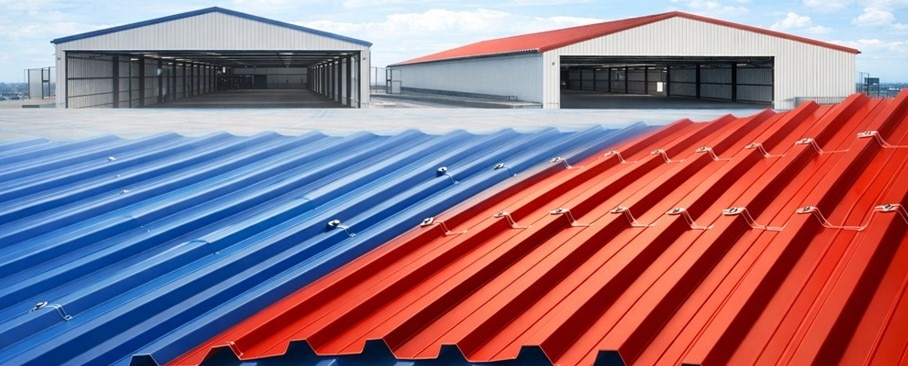 | Coated Roofing Sheet Roofing Sheet Manufacturer, Supplier, Distributor, Dealers, Trader In Pune, PCMC, Chakan, Talawade, Dehu, Khed A coated roofing sheet is a metal... View product → |
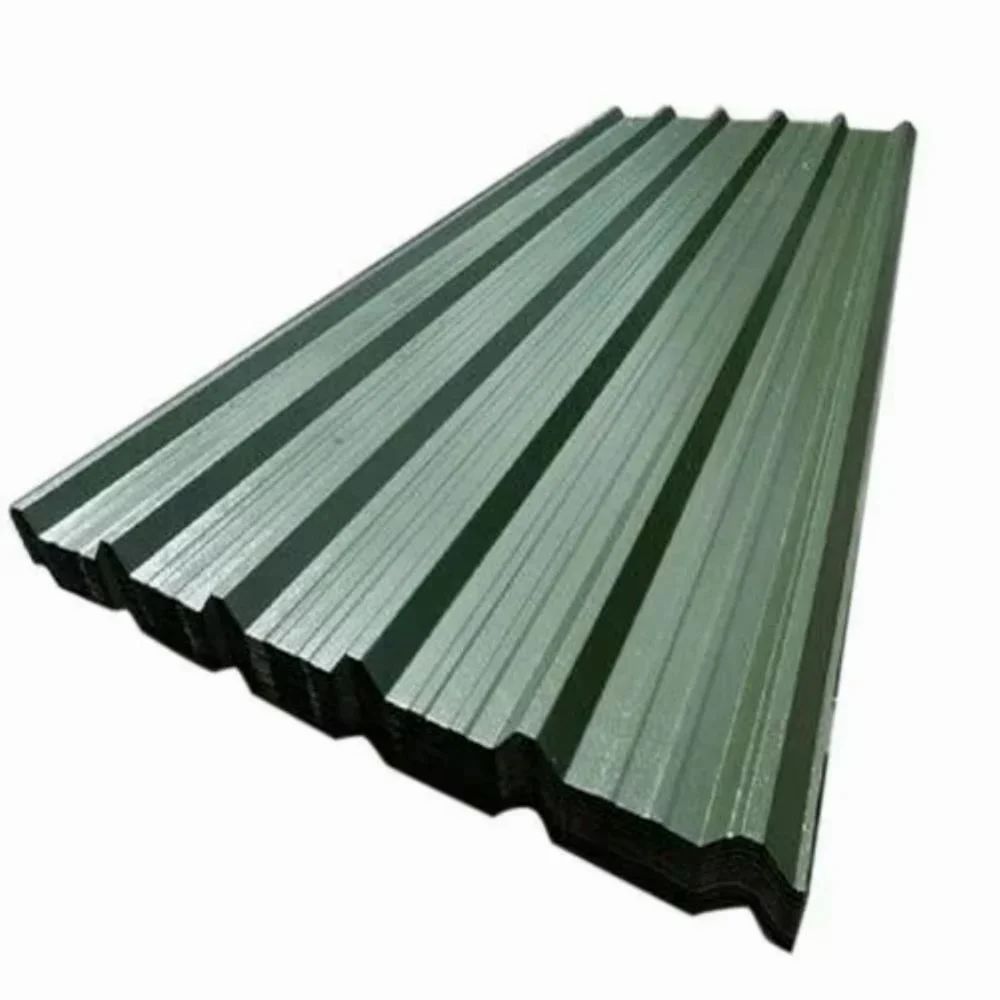 | Coated Roofing Sheet Manufacturer, Supplier, Distributor, Dealers, Trader In Pune, PCMC, Chakan, Talawade Looking for high-quality Colour Coated GI Roofing Sheets for... View product → |
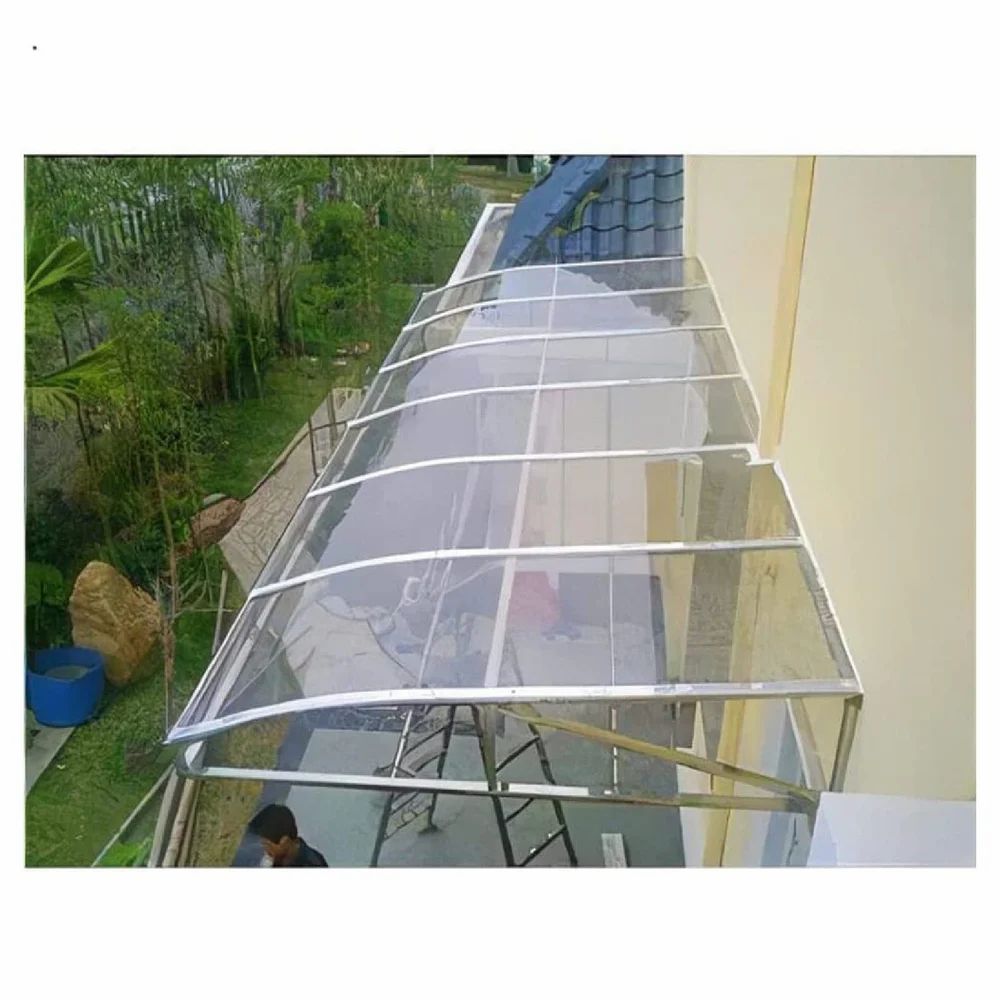 | Roofing Sheet Durable, Transparent & Modern Roofing Solution Looking for a strong, lightweight, and transparent roofing option? Polycarbonate Roofing Sheets are... View product → |
Keywords