Industrial buildings generate heat from multiple sources, including machinery, manufacturing processes, electrical equipment, and direct sunlight. Without effective ventilation, excessive heat can create uncomfortable working conditions and affect productivity. This is why many industries consult a reliable Turbo Ventilator Fan Manufacturer while planning new facilities or upgrading existing buildings.
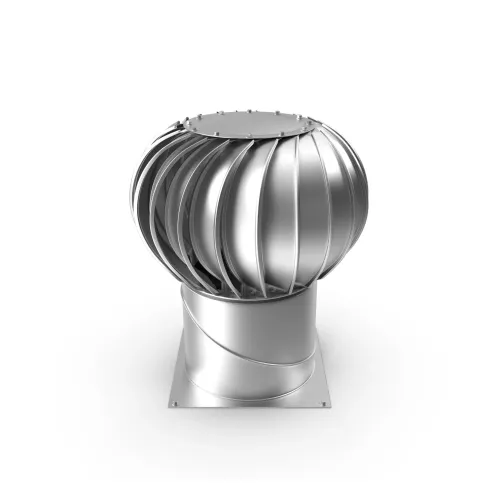
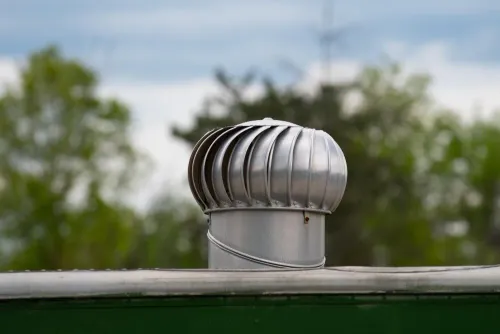
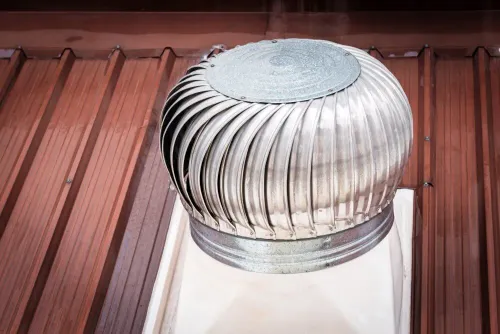
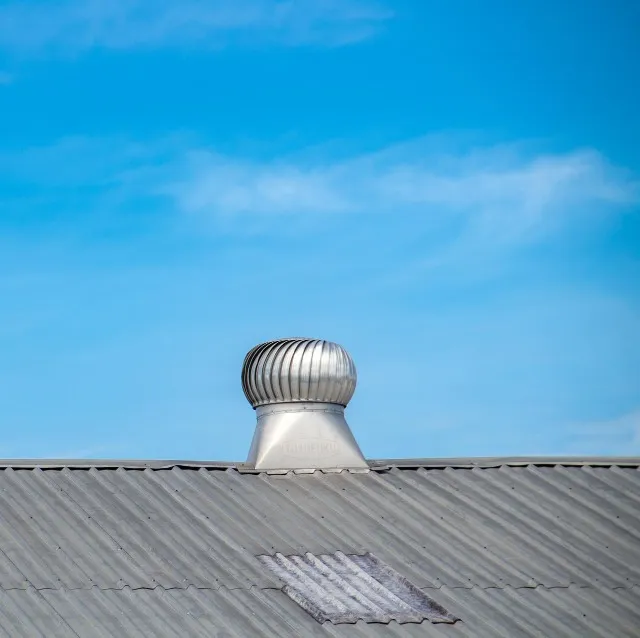
Roof-mounted turbo ventilators operate without electricity by utilizing natural wind movement and thermal air currents. As warm air rises inside the building, the ventilator rotates and helps remove accumulated hot air from the roof level. This continuous airflow contributes to a more balanced indoor environment.
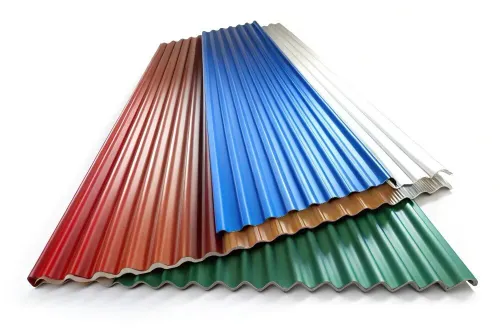
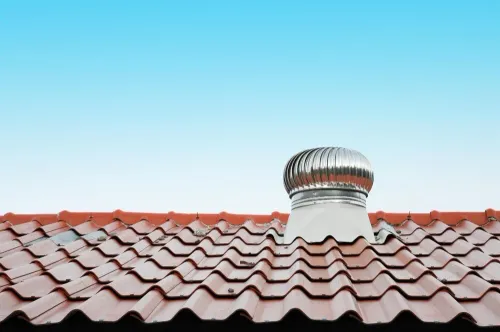
Factories across Pune and surrounding industrial areas often operate long production shifts throughout the year. During summer months, indoor temperatures can increase significantly if proper ventilation is absent. Installing roof ventilators as part of an integrated roofing design can help improve natural air circulation.
One advantage of turbo ventilators is their energy-efficient operation. Since they rely on natural airflow instead of electrical motors, they continue functioning without increasing power consumption. This makes them an attractive solution for businesses looking to improve ventilation while managing operational expenses.
Roof turbo ventilators are commonly installed in:
- Manufacturing plants
- Warehouses
- Engineering workshops
- Food processing facilities
- Automobile units
- Logistics centres
- Textile industries
- Assembly plants
- Commercial buildings
- Agricultural processing facilities
Improved ventilation offers several operational benefits. Excessive heat can make indoor workspaces uncomfortable, while stagnant air may contribute to condensation and moisture-related issues. A properly designed ventilation system supports better air movement throughout the facility.
When selecting a turbo ventilator, buyers should consider:
- Material quality
- Bearing durability
- Corrosion resistance
- Air extraction capacity
- Roof compatibility
- Installation requirements
- Maintenance needs
- Manufacturing standards
Roof design also plays an important role. The number and placement of ventilators should correspond with building dimensions, roof slope, internal heat generation, and ventilation objectives. Consulting experienced roofing professionals during project planning helps achieve balanced airflow.
Another common misconception is that ventilation alone solves all indoor temperature challenges. In reality, roof insulation, building orientation, roofing material, and natural ventilation openings also influence indoor comfort. Combining these elements produces more effective results.
As industrial infrastructure expands across Bhosari, Chakan, Rajgurunagar, and Talawade, businesses are increasingly integrating passive ventilation systems into new construction projects. Such systems help create more comfortable work environments while supporting efficient facility management.
Hi Tech Patra Depo provides roofing and ventilation solutions for industrial and commercial buildings, including turbo ventilators designed for various applications. By understanding project-specific requirements, the company supports builders, contractors, and factory owners in selecting suitable products for long-term performance.
Choosing the right Turbo Ventilator Fan Manufacturer involves evaluating engineering quality, product durability, and compatibility with the overall roofing system. A thoughtfully planned ventilation solution can contribute to improved indoor air circulation, reduced heat buildup, and more efficient industrial operations over the life of the building.
Keywords