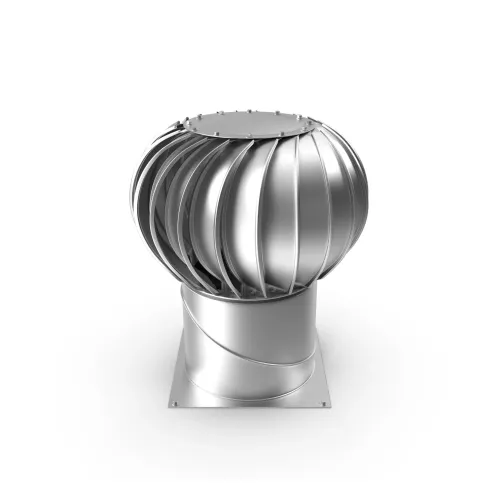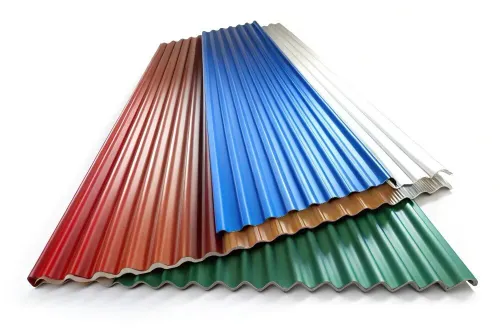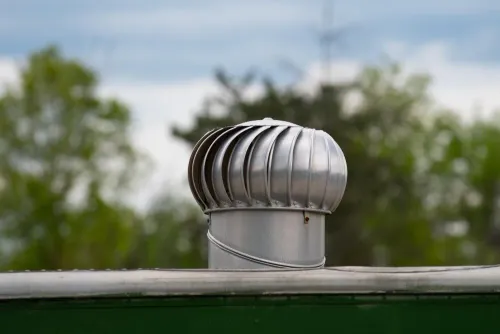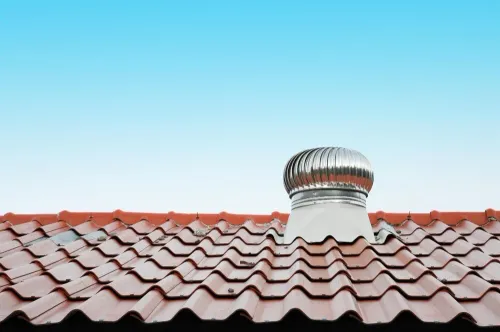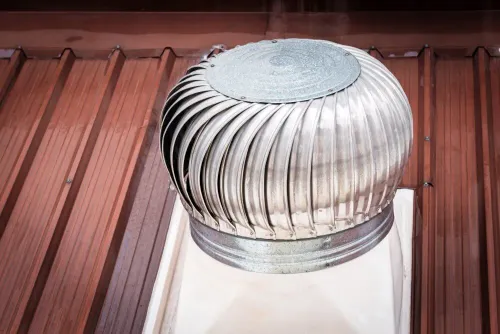
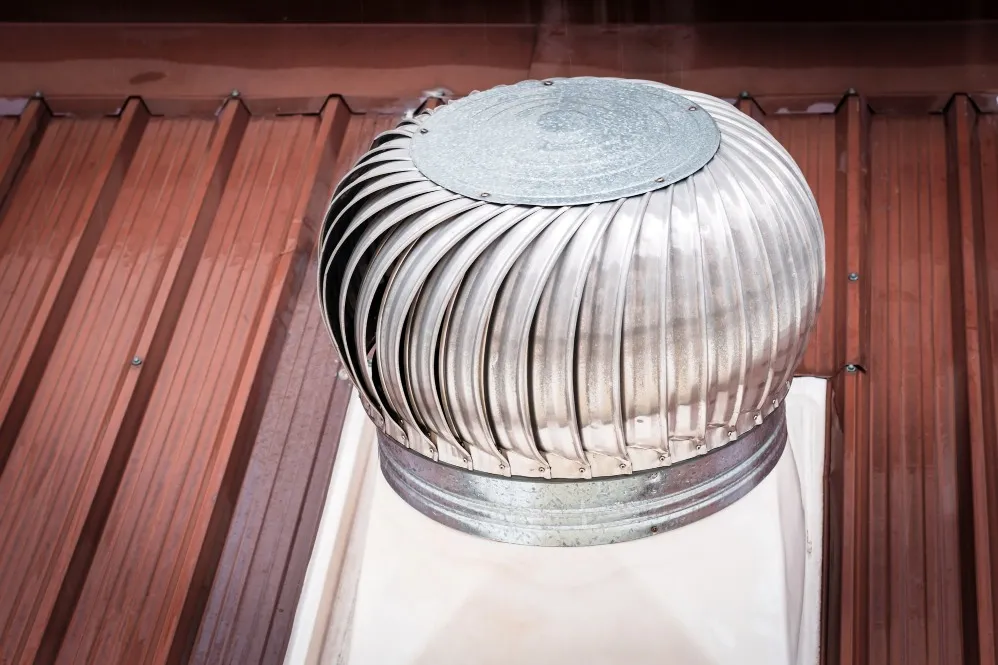
Turbine air ventilators can support passive ventilation in industrial buildings, but effective selection involves more than choosing a turbine diameter and installing multiple units across the roof.
For factory owners and contractors assessing a Turbine Air Ventilator Manufacturer in Moi, a building-specific approach can help avoid underperforming installations.
Identify the Ventilation Problem First
Different buildings experience different problems.
One facility may retain excessive heat near the roof. Another may need better general air exchange. A warehouse may become uncomfortable during afternoon hours, while a production shed may have continuous internal heat generation.
Define the problem before selecting equipment.
Review Building Size and Height
Floor area alone does not describe the volume of air within an industrial shed.
Two buildings with the same floor area but different roof heights can have significantly different internal volumes.
Building dimensions should therefore be included when discussing ventilation requirements.
Identify Heat Sources
Look at what happens inside the facility.
Potential heat sources include:
- Production machinery
- Welding operations
- Compressors
- Furnaces or heated processes
- Lighting
- Large workforce concentrations
- Solar heat through the roof
Understanding where heat originates can help with ventilator positioning.
Check Existing Air Openings
Turbine ventilators exhaust air at roof level, but replacement air needs to enter elsewhere.
Evaluate existing doors, windows, louvers, wall openings, and other inlet paths.
A building with poor inlet availability may require a broader ventilation strategy.
Examine the Roof
Roof type and profile affect installation.
Before purchasing, confirm:
- Roofing material
- Sheet profile
- Roof slope
- Ridge arrangement
- Structural members
- Proposed ventilator positions
- Waterproofing method
This information is especially important when ventilators are being added to an existing building.
Avoid Random Placement
Installing turbines in a visually symmetrical pattern may look neat but may not correspond to the actual airflow requirement.
Positioning should consider roof geometry, heat accumulation, internal partitions, and obstructions.
In some buildings, evenly distributed units may be appropriate. In others, specific high-heat areas may require greater attention.
Consider Weather Protection
Moi and the wider Pune region experience seasonal monsoon rainfall. Every roof penetration therefore needs appropriate flashing and sealing.
The ventilator itself is only one component of the installation; the base and connection to the roofing system are equally important.
Hi Tech Patra Depo provides roofing and turbine ventilation products for industrial applications. Buyers planning a new roof can coordinate both systems, while those working on existing sheds should provide roof details before selecting ventilator configurations.
Establish Maintenance Procedures
Include turbine ventilators in routine roof inspections.
Check for:
- Free rotation
- Visible damage
- Loose components
- Condition of flashing
- Seal integrity
- Debris around the unit
Periodic inspection can help identify minor issues before they affect roof performance.
Selecting a Turbine Air Ventilator Manufacturer in Moi should ultimately involve evaluating product compatibility alongside the building itself. The most effective passive ventilation strategy comes from understanding airflow, heat generation, air inlets, roof design, and installation requirements as one connected system.
Keywords