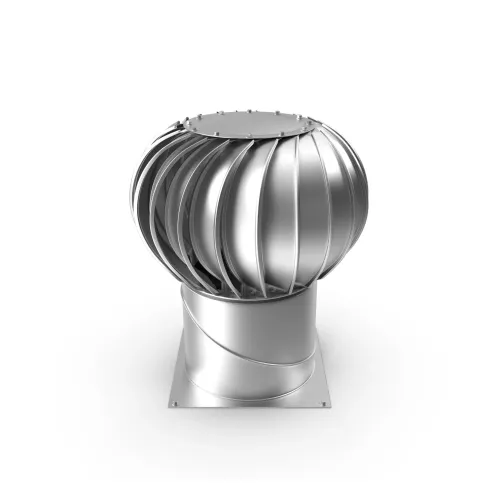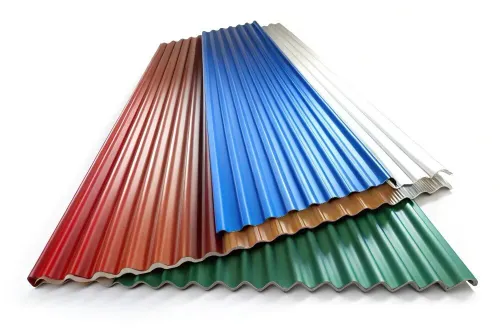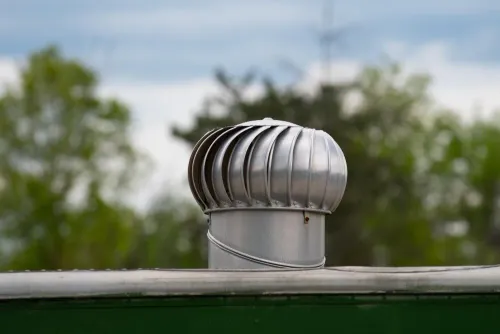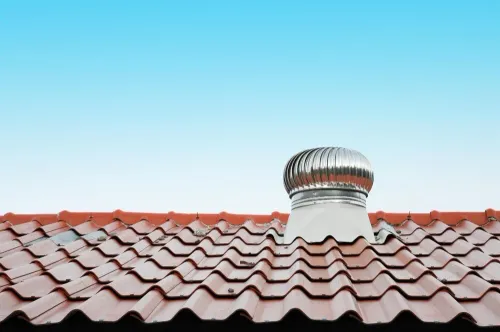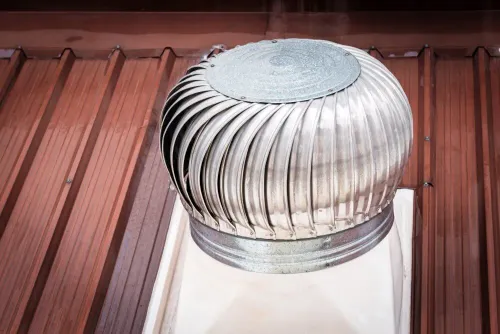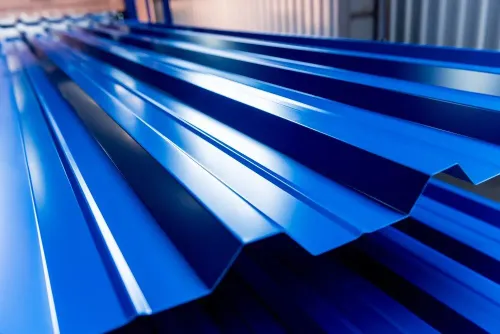
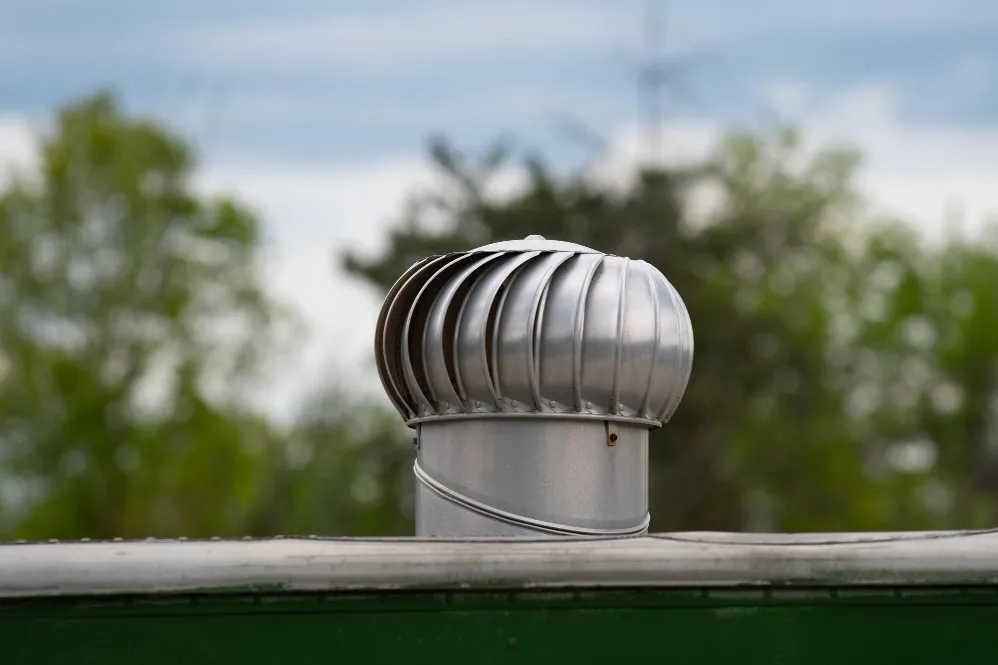
Proper ventilation is often overlooked during industrial construction, yet it plays a major role in maintaining a productive and efficient workspace. While roofing materials protect the building from external weather conditions, a well-designed ventilation system helps manage heat, moisture, and air circulation inside the facility. Choosing the right Roof Turbo Ventilator Manufacturer is only one part of the process, the overall ventilation design is equally important.
Factories, warehouses, fabrication units, and logistics centers across Pune and surrounding industrial hubs continue to expand. Many businesses invest in high-quality machinery and roofing systems but underestimate the importance of adequate roof ventilation. This can lead to excessive heat accumulation, poor indoor air quality, and higher maintenance costs over time.
One of the most common mistakes is installing too few roof turbo ventilators. Every industrial building has different ventilation requirements depending on its size, roof height, production processes, and heat generation. A ventilation system designed without considering these factors may not perform efficiently.
Another frequent issue is poor placement. Roof ventilators should be positioned strategically to encourage continuous airflow throughout the building. Random installation without proper planning may leave certain sections with stagnant air while other areas receive excessive ventilation.
Some building owners also assume that installing more ventilators automatically produces better results. However, the effectiveness of a ventilation system depends on balanced airflow rather than quantity alone. Proper calculations during the design stage help determine the appropriate number of ventilators required.
Other mistakes include:
- Ignoring roof orientation during installation
- Selecting ventilators with unsuitable material specifications
- Overlooking compatibility with the roofing profile
- Skipping routine maintenance inspections
- Choosing products based only on price
- Failing to combine ventilation with proper insulation
Industrial buildings experience varying environmental conditions throughout the year. During summer, trapped hot air can significantly increase indoor temperatures. During monsoon months, excess moisture may contribute to condensation if ventilation is inadequate. A properly designed roof ventilation system helps address both challenges naturally.
Material quality should never be ignored. Roof turbo ventilators remain exposed to sunlight, rainfall, dust, and wind throughout their service life. Choosing corrosion-resistant materials and durable bearings contributes to reliable long-term operation with minimal maintenance.
Maintenance is another factor that deserves attention. Although roof turbo ventilators generally require limited upkeep, periodic inspections help identify debris accumulation, bearing wear, or installation issues before they become larger problems.
Modern industrial construction increasingly focuses on creating energy-efficient buildings. Passive ventilation systems can complement roofing insulation and natural lighting strategies, contributing to more comfortable working environments without increasing electricity consumption.
Businesses expanding across industrial locations such as Chakan, Talegaon, Moi, and Rajgurunagar often incorporate ventilation planning during the early stages of construction. This approach is generally more cost-effective than making structural modifications after the building is operational.
Hi Tech Patra Depo supplies roofing and ventilation products designed for industrial and commercial applications. The company supports contractors, builders, and industrial buyers by offering solutions suited to different project requirements while emphasizing the importance of proper product selection and installation.
Working with a dependable Roof Turbo Ventilator Manufacturer and avoiding common planning mistakes can improve airflow, reduce heat buildup, and support efficient building performance. Investing time in proper ventilation planning today often helps reduce operational and maintenance challenges throughout the life of an industrial facility.
Keywords