Choosing an industrial ventilation supplier becomes easier when procurement teams know what information to request. Turbine ventilators may look broadly similar, but project suitability depends on specifications, building conditions, roofing compatibility, quantity planning, and installation.
Before finalising a Turbine Air Ventilator Supplier in Talegaon, buyers can use the following questions to evaluate both the product and the supplier's readiness.
What Information Do You Need About My Building?
A supplier should ideally ask about the project rather than recommending quantities immediately.
Be ready to provide building dimensions, roof height, building use, roofing profile, internal heat sources, and existing ventilation openings.
These details provide context for product selection.
Which Ventilator Specification Suits the Application?
Ask for clear information about the proposed turbine.
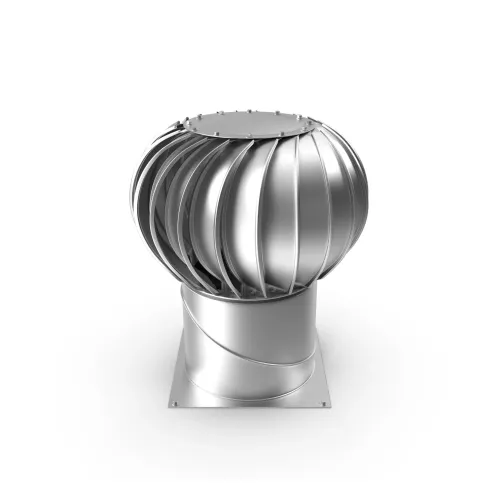
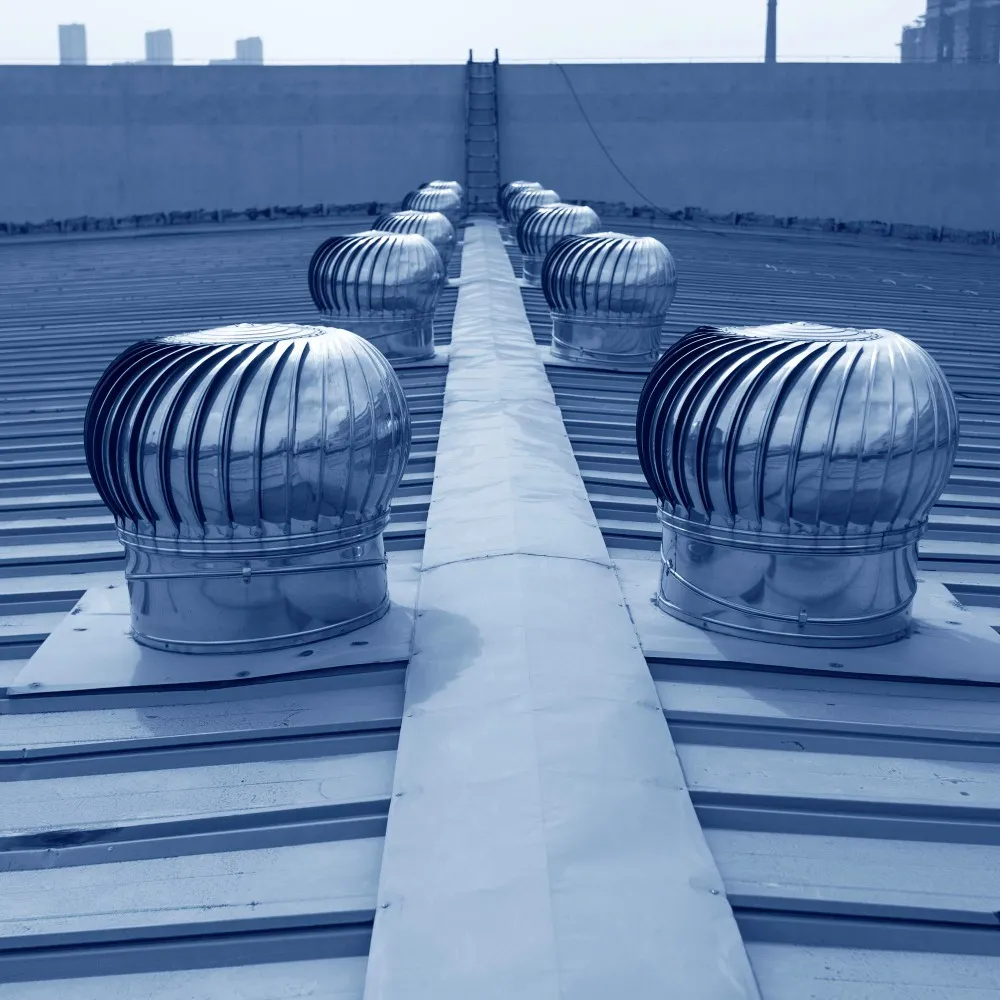
The discussion should cover unit size, construction, base arrangement, and intended industrial application.
For procurement documentation, specifications should be clear enough for different offers to be compared.
How Should Quantity Be Determined?
Be cautious about universal formulas that ignore building conditions.
Ventilation requirements can vary according to:
- Building volume
- Internal heat load
- Existing ventilation
- Air inlet area
- Roof geometry
- Internal partitions
- Operational processes
Larger industrial buildings may benefit from a more detailed ventilation assessment.
Will the Base Suit the Roofing Profile?
This is particularly important for existing sheds.
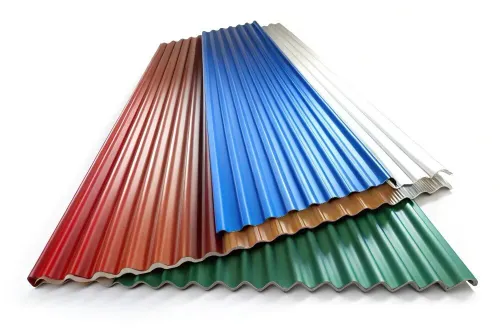
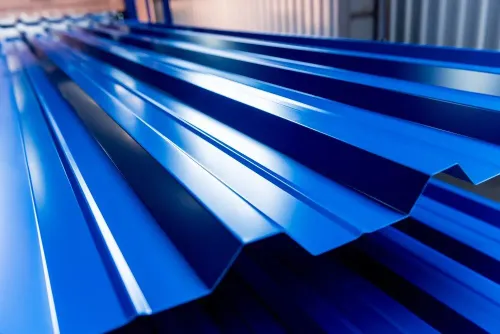
Provide details of the roof sheet and profile so the base arrangement and installation method can be reviewed before materials are dispatched.
How Will the Roof Opening Be Weather-Protected?
Talegaon and the wider Pune region receive seasonal monsoon rainfall.
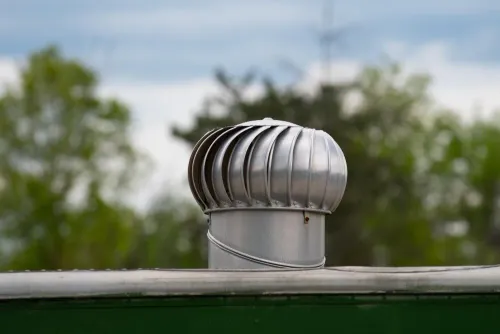
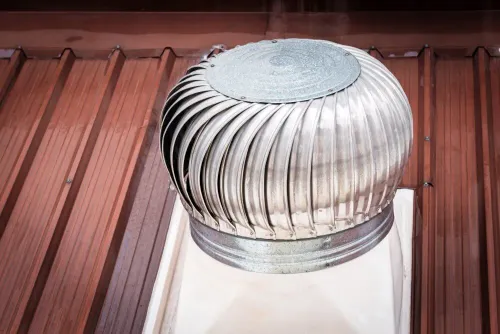
Ask how flashing and sealing around the ventilator base should be handled. Roof penetrations should maintain the weather-protection function of the roofing system.
Does the Building Have Enough Replacement-Air Openings?
This question is often missed.
Roof exhaust depends on replacement air entering the building from elsewhere.
If existing openings are inadequate, additional inlet provisions may need to be considered as part of the ventilation strategy.
Can Ventilators Be Coordinated With New Roofing?
For new industrial sheds, combined planning can make installation easier.
Ventilator positions, roofing profiles, daylighting sheets, ridge details, and drainage can all be considered before materials are ordered.
Hi Tech Patra Depo works with industrial roofing sheets and ventilation products, allowing project discussions to consider both roof covering and ventilation requirements where relevant.
What Is Included in the Quotation?
Ask whether the quotation includes only turbine units or also related components required for the intended installation.
Avoid assumptions. A clearly itemised quotation makes commercial comparison easier.
What Delivery Information Is Required?
Provide the required quantity, site readiness, delivery schedule, and access information.
Industrial projects often need phased deliveries, especially when roofing and structural work are still underway.
What Should Be Inspected After Installation?
Facility teams should understand basic inspection requirements.
Periodic checks may include free turbine movement, physical condition, flashing, fasteners, and surrounding roof areas.
Selecting a Turbine Air Ventilator Supplier in Talegaon is therefore not simply about obtaining a unit rate. The supplier should be able to support a clear discussion about product specifications, roof compatibility, building conditions, and delivery requirements.
For contractors, warehouse owners, and industrial procurement managers, asking these questions before issuing a purchase order can reveal whether the proposed ventilation solution has been considered in the context of the actual building rather than treated as a standard one-size-fits-all product.
Keywords