Heat can build up quickly inside industrial sheds. Solar exposure warms the roof while machinery, production processes, lighting, and workers can add further heat inside the building.
A Turbo Ventilator Fan Manufacturer in Nighoje may be considered when a factory or warehouse is exploring passive roof-level ventilation, but understanding how the system works is important before deciding quantities or placement.
What Is a Turbo Ventilator?
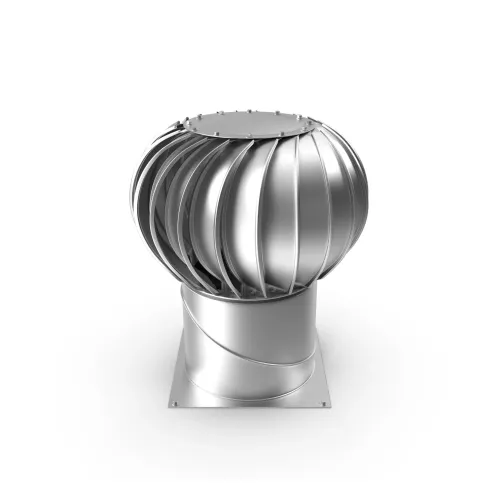
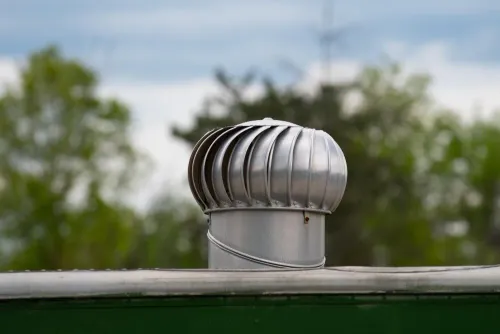
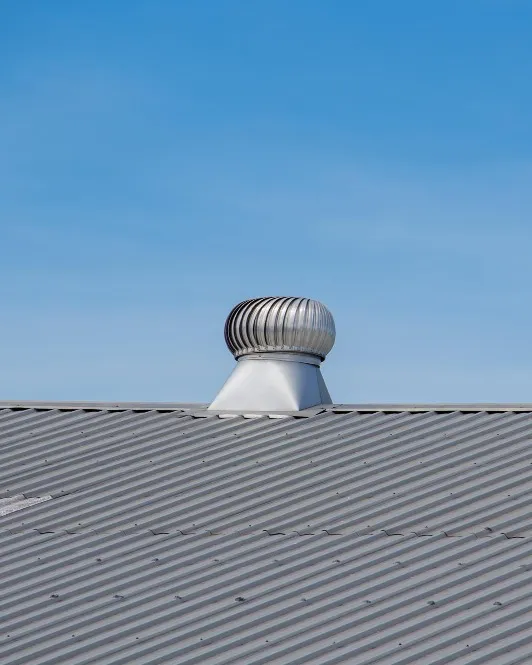
A turbo ventilator is a roof-mounted rotating ventilation device. Wind acting on the turbine contributes to rotation, while the ventilation arrangement supports the movement of warmer internal air toward the outside.
Unlike powered exhaust fans, conventional turbine ventilators do not require an electric motor to rotate.
Why Roof-Level Exhaust Can Matter
Warm air tends to rise within an enclosed industrial space.
If the building has limited high-level ventilation, this warmer air can accumulate below the roof.
Roof-mounted ventilation provides an outlet at a high point in the structure, supporting natural air exchange when the overall building ventilation arrangement is suitable.
Where Turbo Ventilators Are Commonly Considered
Potential applications include:
- Manufacturing sheds
- Warehouses
- Fabrication workshops
- Assembly facilities
- Storage buildings
- Engineering units
- Commercial sheds
However, the same number of ventilators should not automatically be applied to every building.
Quantity Requires More Than Floor Area
A common mistake is asking for a fixed number of ventilators based only on the building's square footage.
Ventilation requirements can also be influenced by:
- Building volume
- Roof height
- Internal heat generation
- Existing wall openings
- Air inlet availability
- Roof configuration
- Machinery layout
- Desired ventilation outcome
Professional project assessment may therefore be appropriate for larger or more demanding facilities.
Air Inlets Are Important
Exhaust cannot work effectively in isolation.
As warm internal air leaves the building, replacement air needs a suitable path to enter. Doors, louvers, wall openings, or purpose-designed air inlets can contribute to the overall airflow pattern.
This is why turbine ventilators should be viewed as part of a ventilation system rather than as independent rooftop accessories.
Roof Compatibility Matters
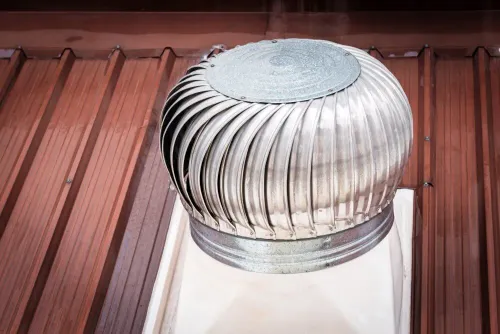
The ventilator base should be compatible with the roofing profile and installed with appropriate weather sealing.
Poorly planned openings can create leakage risks during Pune's monsoon season.
Roof penetrations should therefore be positioned and finished carefully.
Coordinate Ventilation With Roofing
If a new industrial shed is being constructed, planning roofing and ventilation simultaneously is usually easier than modifying the roof later.
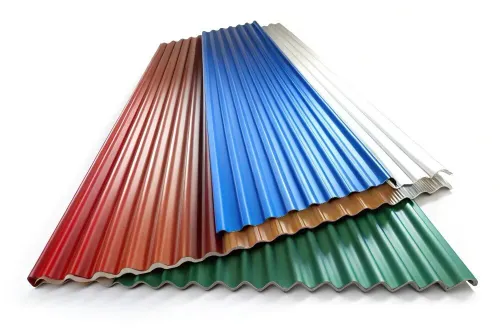
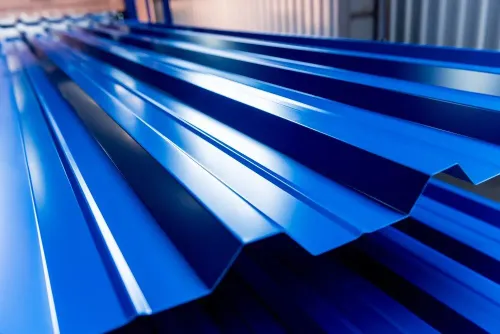
Hi Tech Patra Depo works with roofing sheets and turbo ventilation products for industrial applications. Early coordination can help contractors consider ventilator positions, roofing profiles, bases, and related installation requirements together.
Maintenance Access Should Be Considered
Although turbine ventilators are relatively simple devices, roof-mounted equipment should remain accessible for periodic inspection.
Facilities teams can include visual inspection of ventilators, surrounding flashing, and roofing connections in routine roof maintenance.
For industrial buyers evaluating a Turbo Ventilator Fan Manufacturer in Nighoje, the key question should not simply be how many turbines can fit on the roof. The better approach is to understand the building's heat load, air-inlet conditions, roof design, and operational needs before determining an appropriate ventilation arrangement.
Keywords