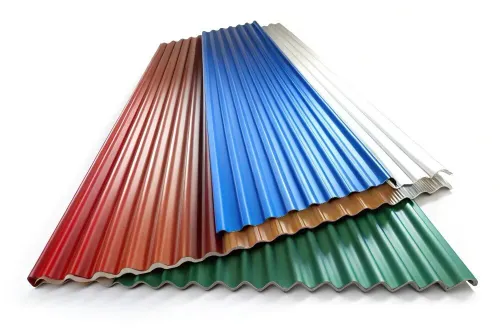
A roofing system is one of the most critical components of any industrial or commercial building. It protects machinery, inventory, production areas, and employees from changing weather conditions while contributing to the overall durability of the structure. This is why selecting a dependable GI Roofing Sheet Manufacturer is an important decision during the planning stage of any construction project.
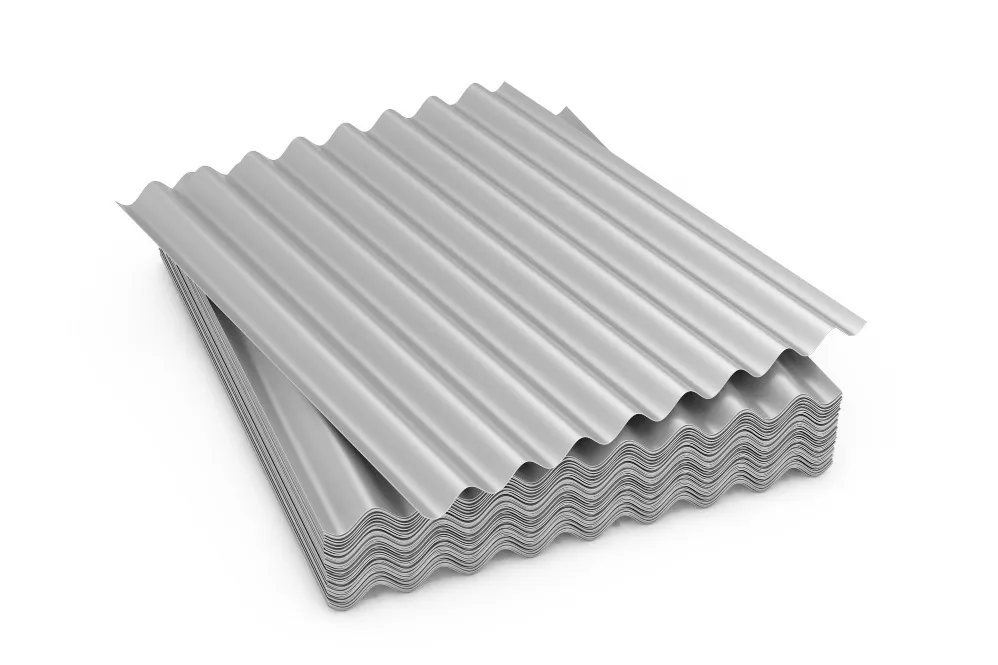
Galvanized Iron (GI) roofing sheets continue to be widely used across factories, warehouses, logistics parks, workshops, agricultural buildings, and commercial establishments because they offer a practical balance between strength, durability, and cost-effectiveness. However, not all roofing sheets are manufactured to the same standards, making it essential to evaluate products carefully before purchasing.
Industrial regions around Pune, including Bhosari, Chakan, Talegaon, and Pirangut, have seen continuous infrastructure growth. Builders and procurement managers are increasingly looking beyond price and focusing on roofing systems that deliver long-term performance with minimal maintenance.
One of the first factors to consider is the quality of galvanization. The zinc coating applied to GI sheets acts as a protective barrier against corrosion. A higher-quality coating generally provides better resistance to moisture and environmental exposure, particularly in areas experiencing seasonal rainfall and fluctuating temperatures.
The sheet thickness should also match the intended application. Heavy industrial facilities may require different specifications compared to warehouses, commercial sheds, or agricultural structures. Selecting an appropriate thickness helps improve structural performance while avoiding unnecessary material costs.
Before finalizing a manufacturer, it is useful to review several aspects:
- Manufacturing consistency
- Material quality certifications
- Zinc coating specifications
- Dimensional accuracy
- Availability of customized sheet lengths
- Surface finish options
- Supply capability for bulk orders
- Technical guidance during selection
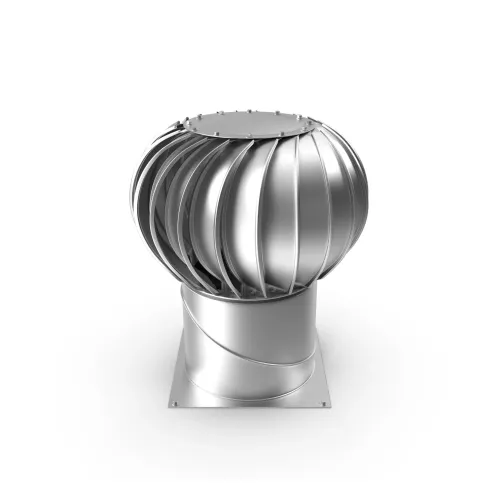
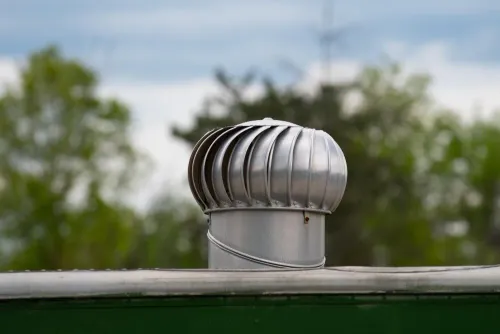
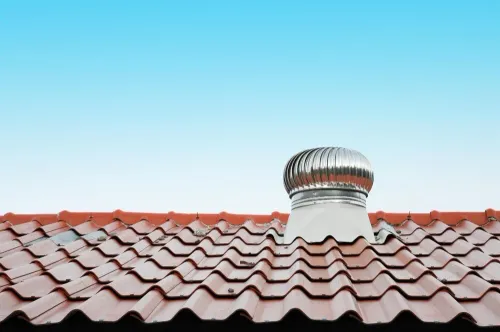
Installation compatibility is another important consideration. Roofing sheets should integrate properly with fasteners, flashing systems, ridge caps, gutters, insulation, and ventilation products. A complete roofing solution often performs better than purchasing individual components from multiple sources without considering compatibility.
Maintenance requirements should also be evaluated during procurement. Well-manufactured GI roofing sheets generally require periodic inspections and routine cleaning rather than extensive repairs. Preventive maintenance helps maximize the service life of the roofing system and minimizes disruption to industrial operations.
Many businesses also consider future expansion plans. Facilities may require additional warehouse space, production units, or storage buildings over time. Working with a manufacturer capable of maintaining consistent product specifications across future projects helps simplify expansion.
Another important aspect is structural load. GI roofing sheets are relatively lightweight compared to several traditional roofing materials, allowing easier transportation and quicker installation while reducing the load on supporting structures. This can contribute to improved project efficiency.
Weather resistance remains one of the biggest reasons GI roofing continues to be widely used throughout Maharashtra. Properly manufactured sheets are designed to withstand prolonged sun exposure, seasonal rainfall, and varying environmental conditions when installed correctly.
Hi Tech Patra Depo supplies GI roofing solutions for industrial, commercial, and infrastructure projects across Pune and nearby manufacturing regions. The company works with contractors, fabricators, warehouse owners, and industrial buyers by offering roofing products suited to diverse construction requirements.
Choosing a reliable GI Roofing Sheet Manufacturer involves much more than comparing quotations. Understanding product quality, manufacturing standards, installation compatibility, and lifecycle performance allows businesses to make informed decisions that contribute to durable, efficient, and low-maintenance buildings. A carefully selected roofing system supports both immediate construction goals and long-term operational reliability.
Keywords