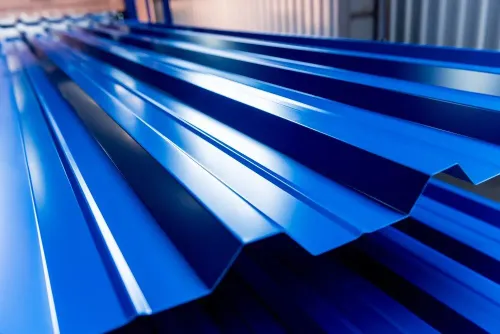
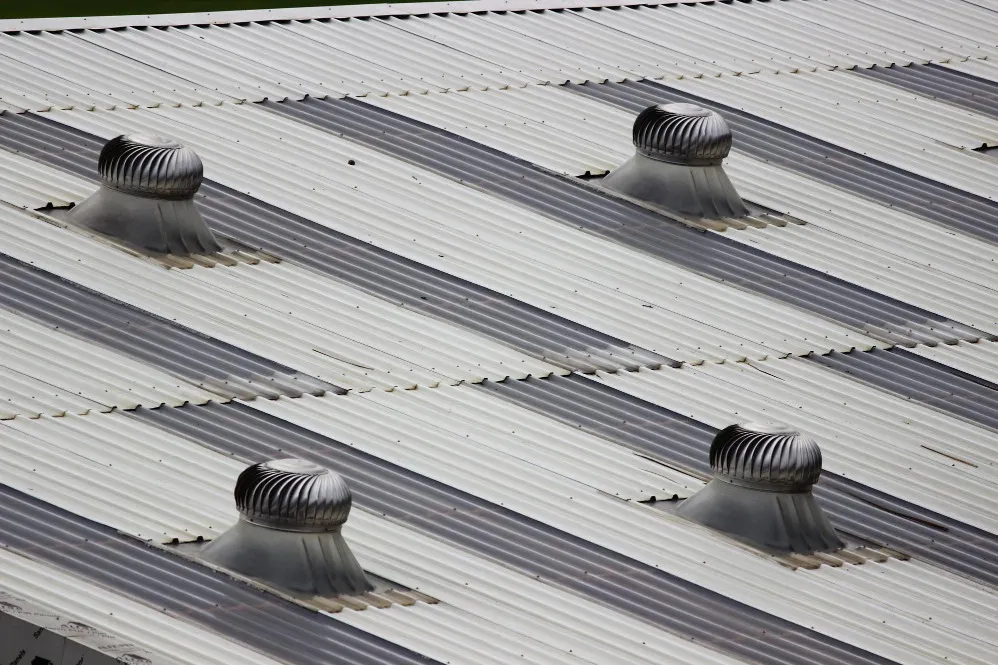
For a new factory shed or warehouse, roofing and ventilation are often purchased as separate packages. Yet both systems interact directly at roof level, making coordinated procurement worth considering.
Selecting a Roof Ventilator and Roofing Sheet Manufacturer in Daund requires evaluating not only individual products but also how the complete roof will function once installed.
Begin With the Roof Plan
Before discussing products, gather the basic project information.
Useful details include:
- Building length and width
- Roof height
- Roof slope
- Purlin spacing
- Roofing area
- Building application
- Daylighting requirement
- Ventilation requirement
- Project schedule
This gives the manufacturer enough context for a meaningful technical discussion.
Select the Roofing Material
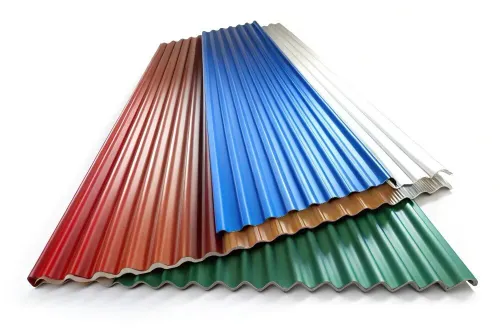
Depending on the application, the project may use GI roofing sheets, color-coated sheets, or a combination involving polycarbonate daylight sections.
The selection should consider building use, appearance, exposure, maintenance expectations, and budget.
For industrial sheds, profile and effective coverage should also be checked carefully.
Plan Daylighting Before Installation
If natural daylight is required, decide where polycarbonate sheets will be located before the primary roofing order is finalised.
This allows contractors to coordinate profiles and avoid improvising openings later.
Daylighting should be distributed according to actual interior requirements rather than added randomly.
Plan Ventilation at the Same Stage
Factories and warehouses can accumulate warm air near roof level.
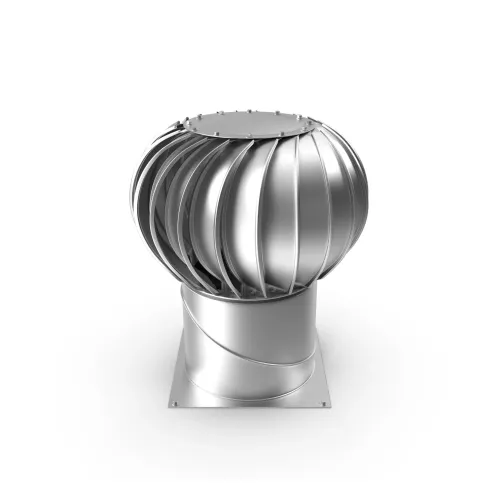
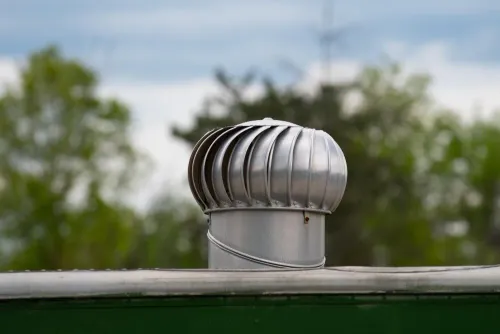
Where turbine ventilators are suitable, their locations should be identified during roof planning.
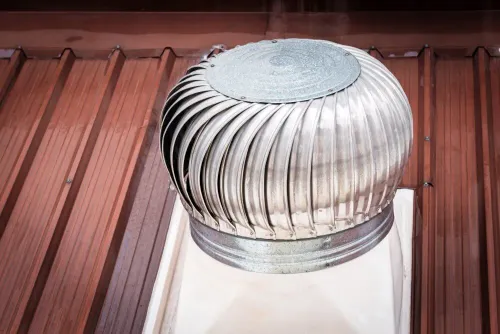
This allows the roofing contractor to account for penetrations, bases, flashing, and surrounding sheet arrangements.
Verify Air Inlet Availability
Roof-level exhaust is only part of natural ventilation.
Fresh replacement air needs to enter from lower levels through appropriate openings.
Review wall louvers, doors, windows, or other inlet provisions as part of the overall ventilation design.
Compare Complete Quotations
A useful roofing quotation should make specifications transparent.
Check whether it identifies:
- Roofing sheet type
- Thickness
- Profile
- Length
- Effective width
- Quantity
- Accessories
- Ventilator specifications
- Related bases
- Delivery terms
When these details are documented, quotations become easier to evaluate.
Consider Logistics
Daund projects may involve industrial buildings where roofing quantities are substantial.
Long roofing sheets require suitable transport access and unloading space. Delivery sequencing should align with erection and installation progress.
Discussing logistics early can prevent material congestion and handling difficulties at the site.
Hi Tech Patra Depo supplies roofing sheets and roof ventilation products for industrial and commercial projects. A combined discussion can be useful where contractors want roofing profiles, translucent sections, ventilators, and related components coordinated before procurement.
Look for Readiness Indicators
A manufacturer or supplier is easier to work with when the team asks practical questions about the project rather than immediately quoting a generic product.
Useful signs include willingness to discuss dimensions, roofing profiles, quantities, ventilation requirements, accessories, and delivery schedules.
When evaluating a Roof Ventilator and Roofing Sheet Manufacturer in Daund, consider the roof as an integrated building system. Coordinating weather protection, daylight, drainage, and ventilation from the beginning can simplify procurement and reduce avoidable site-level changes.
Keywords