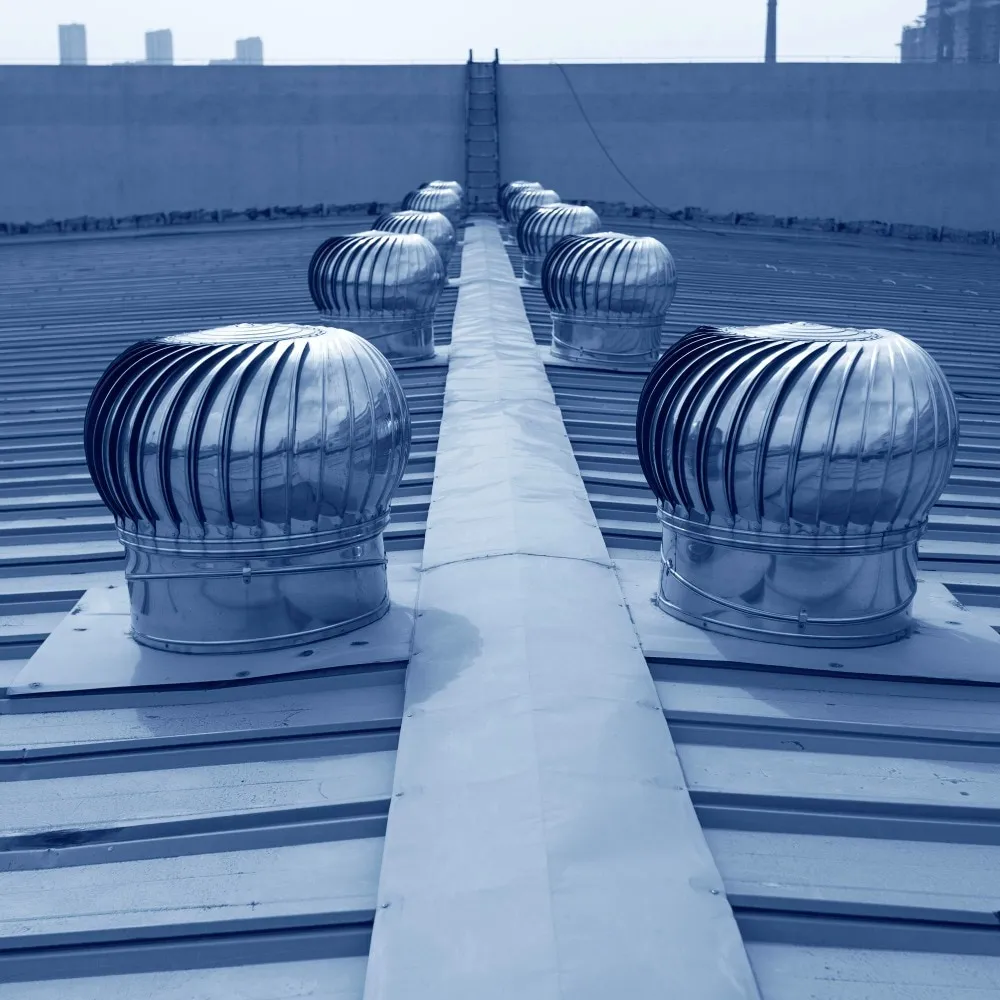
A suitable roof ventilator depends on more than turbine diameter or a supplier’s quoted CMM figure. You need to check the shed’s heat load, wind exposure, replacement-air openings, roof construction, monsoon protection and the performance data behind the quotation before deciding how many units to install.
Key takeaways
- Treat wind-driven ventilation as variable exhaust, not constant-capacity cooling.
- Provide low-level replacement air before sizing roof turbine airflow.
- Compare effective airflow and weather performance, not turbine diameter alone.
- Request roof details, airflow figures, warranty terms and installation scope in writing.
Check whether your Daund building suits wind-driven ventilation
A turbo ventilator can work effectively in a Daund building only when wind reaches the roof turbine, hot air can rise to it, and replacement air can enter below. Treat it as variable exhaust, not a constant-capacity fan.
Check these conditions before choosing one:
- Inspect wind exposure around the roof. Nearby buildings, compound walls, trees and taller roof sections can create turbulence or shelter the turbine, reducing airflow.
- Check whether the roof traps heat. A high shed with hot machinery, furnaces, compressors, or strong solar gain gives buoyant air a reason to rise; a low, shaded building has less heat to remove.
- Trace the replacement-air path. Measure the area and location of wall louvers, doors, ridge inlets or other openings. A sealed shed can show little improvement even after several roof ventilators are installed.
- Ask for an airflow curve at stated wind speeds and pressure, plus the ventilator size and effective opening area. A claim such as “10,000 CMM” is incomplete if it does not identify those conditions or distinguish free-air from installed performance.
- Examine the monsoon details: cap, blade overlap, rain hood, drain path and roof flashing. A turbine that spins well in dry wind can still leak wind-driven rain into the building.
- Obtain the design wind speed, anchorage and uplift information, then check the roof support and fixing against IS 875 (Part 3).
If the building lacks inlet openings or reliable wind exposure, compare a powered exhaust fan or hybrid system instead.
Calculate airflow from heat load, occupancy and replacement air
A ventilator count is the final division, not the starting point. Calculate three airflow requirements and design for the highest:
- Heat load: Qheat (m³/s) = sensible heat load (W) ÷ [1.2 × 1,005 × permitted temperature rise (°C)]. Include furnaces, compressors, welding, motors, lighting, people and solar gain.
- Occupancy: Qpeople = number of occupants × the outdoor-air rate specified for your process or ventilation standard. Do not substitute a generic air-change rate where fumes or contaminants are present.
- Air changes: QACH (m³/s) = building volume (m³) × required ACH ÷ 3,600. Use the specified ACH for the building use, then compare it with the heat-load result.
Take the largest value as the design airflow. For example, a 100 kW sensible load with a permitted 5°C rise requires about 16.6 m³/s, or 996 CMM, before checking occupancy and ACH.
Divide that airflow by one ventilator’s effective installed airflow at the design wind speed and pressure, then round up. Do not divide by a free-air claim such as “10,000 CMM” unless the supplier states its test conditions.
Replacement air must enter at the same rate. Check the net free area of wall louvers, doors, ridge inlets and other openings, using the permitted inlet velocity for the louver or process. A sealed shed can show little improvement even after adding more roof units.
Use the ventilator’s performance curve, not its RPM or nominal turbine diameter.
Compare effective airflow, not just turbine diameter or RPM
Compare airflow at the operating condition, not the largest diameter or highest RPM. A passive turbine’s useful output depends on wind speed, pressure difference, throat diameter, net free area, blade obstruction and pressure drop.
A quoted “10,000 CMM” means little without the test wind speed, pressure condition, ventilator size and whether the figure is free-air or installed performance.
| Option | Figures to compare | What the figure reveals |
|---|---|---|
| Turbo ventilator | Airflow curve, throat diameter, net free area, pressure drop | Actual exhaust capacity at stated wind speeds and resistance |
| Powered exhaust fan | Rated CMM, static pressure, motor kW, efficiency and noise | Capacity under duct, grille and filter resistance |
| Ridge vent or louver | Net free area, length, pressure loss and rain resistance | Passive replacement or exhaust-air path through the roof or wall |
| Hybrid system | Fan CMM, controls, sensor range and passive free area | Performance during calm weather and peak heat |
Do not use RPM as the main buying metric. A turbine can spin quickly with little air movement, while a larger net free area and lower resistance produce stronger exhaust. Compare every quotation at the same pressure and wind-speed conditions.
Also measure replacement-air openings: wall louvers, doors, ridge inlets and leakage. A sealed shed will show little improvement regardless of the number of roof units. Ask a turbo ventilator fan manufacturer in Pune for drawings, airflow curves, test conditions, warranty and installation responsibility; obtain the same documents from suppliers and traders.
Match the ventilator to the roof, monsoon and industrial environment
Rain entry and roof failure are the main selection risks in Daund’s monsoon, not turbine diameter. Choose a ventilator whose cap, blade overlap, rain hood, drain path and flashing keep wind-driven rain outside the shed.
1. Identify the roof profile, sheet material, thickness and purlin spacing. The opening and curb must match the actual corrugation or trapezoidal profile. Require a profiled flashing or curb, sealed fasteners and structural attachment to suitable purlins; fixing only to the sheet invites leakage, vibration and pull-out.
2. Check the material against the process atmosphere. Galvanised or coated steel suits ordinary industrial air, while chemical fumes, salt, fertiliser dust, abrasive particles and persistent condensation may require stainless steel or a specified protective coating. Keep the unit away from exhaust gases, sparks and temperatures above its stated operating limit.
3. Obtain the design wind speed, anchorage detail, uplift or overturning data and permitted roof-support arrangement. Check the installation against IS 875 (Part 3); “heavy duty” is not a wind-load calculation.
4. Test monsoon protection as a roof-penetration detail, not from the word “turbine.” Confirm cap overhang, blade overlap, drain openings and flashings after a hose test or installation inspection.
5. Give the same drawings, airflow curve, test conditions, warranty and installation responsibility to every bidder. A turbo ventilator fan supplier in Pune, roof turbo ventilator manufacturer in Pune or trader may sell the same class of product, but verify who makes the body and turbine and who owns site defects.
Use a procurement checklist before appointing a seller or installer
Before paying an advance, make the quotation identify who makes the turbine and who carries installation liability. A turbo ventilator fan trader in Pune may stock another manufacturer’s unit, so compare every seller using the same drawings, performance data and warranty conditions.
1. Request a dated quotation, technical datasheet, general-arrangement drawing, material grade, sheet thickness, turbine diameter, throat diameter and net free area.
2. Require an airflow curve showing free-air and installed performance at stated wind speeds and pressure conditions. Reject a standalone claim such as “10,000 CMM” without those test details.
3. Confirm the number and position of roof openings, curb dimensions, roof pitch, flashing method, fasteners, sealant and make-up-air openings. Get these details marked on the roof layout.
4. State who will survey the roof, cut openings, provide curbs, lift the units, seal penetrations and repair water damage. Put responsibility for leakage and defective installation in writing.
5. Ask for the warranty period, exclusions, corrosion coverage, replacement-part availability, inspection schedule and final handover documents, including photographs and commissioning records.
Hi Tech Patra Depo can be included in the comparison, but obtain the same evidence from it as from a manufacturer, supplier or installer. Do not approve work until the roof contractor confirms structural clearance and the installer confirms that replacement air can enter the building.
Related products
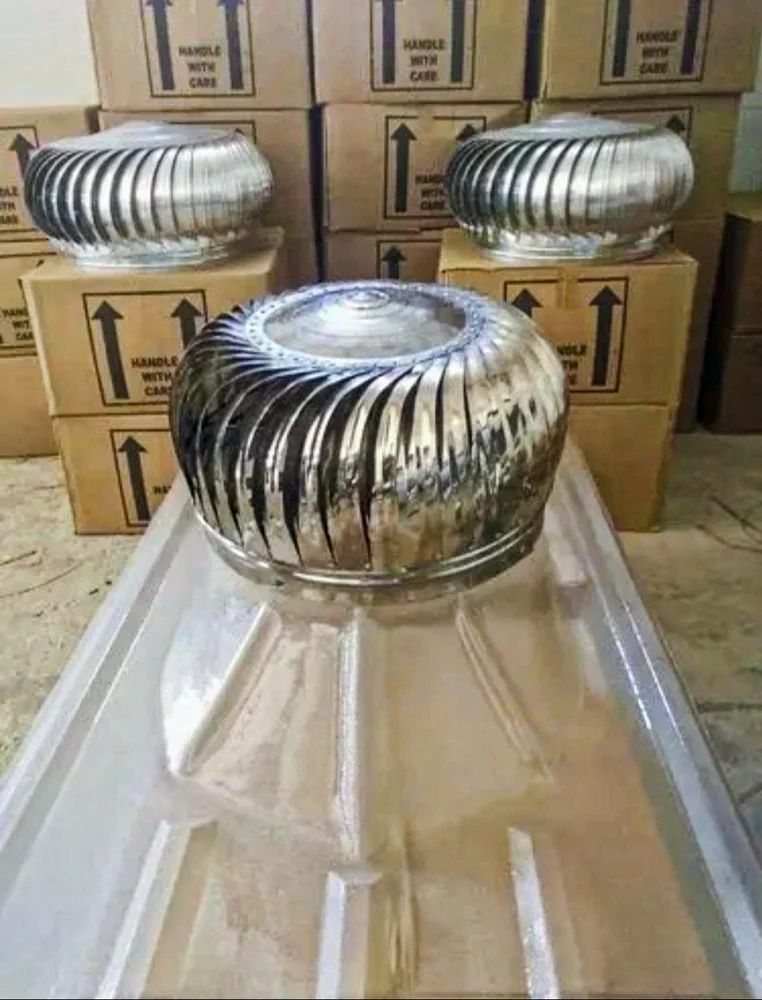 | Turbo Ventilator Fan Hi Tech Patra Depo – Leading Turbo Ventilator Fan Manufacturer, Supplier, Distributor, Dealers in Pune, Pimpri Chinchwad Hi Tech Patra Depo is a... View product → |
 | Roof Turbo Ventilator Manufacturer, Supplier, Distributor, Dealers in Pune, Pimpri Chinchwad, Chakan, Talawade – Energy Efficient Ventilation Solutions Looking for a... View product → |
Frequently asked questions
When does a wind-driven turbo ventilator suit a Daund building?
It suits a building where wind can reach the roof turbine, hot air can rise to it, and replacement air can enter through low-level openings. It will not perform well in a sealed building or during still air.
How do you calculate airflow for a turbo ventilator?
Estimate heat from machinery, occupants and solar gain, then determine the replacement-air volume needed to remove that heat. Include occupancy and process ventilation in the calculation rather than sizing from roof area alone.
Why should you compare effective airflow instead of turbine diameter or RPM?
Diameter and RPM do not show how much air the installed unit exhausts. Compare tested or calculated airflow at the expected wind speed, along with pressure loss, opening size and installation conditions.
What roof and weather conditions matter in Daund?
Check roof profile, sheet material, ridge height, structural fixing points, rain entry risk, corrosion exposure and monsoon sealing. Match the base, flashing and fasteners to the roof and industrial environment.
What should you ask a turbo ventilator seller or installer before appointing them?
Ask for the model and material specification, airflow basis, roof compatibility, fixing method, rain protection, warranty, installation scope, maintenance requirements and itemised quotation. Compare manufacturers, suppliers and traders on the same information.
Related products
 | Turbine Ventilator Turbine Air Ventilator Manufacturer, Supplier, Distributor, Dealers, Trader In Pune, PCMC, Chakan, Talawade – Efficient & Energy Saving Ventilation... View product → |
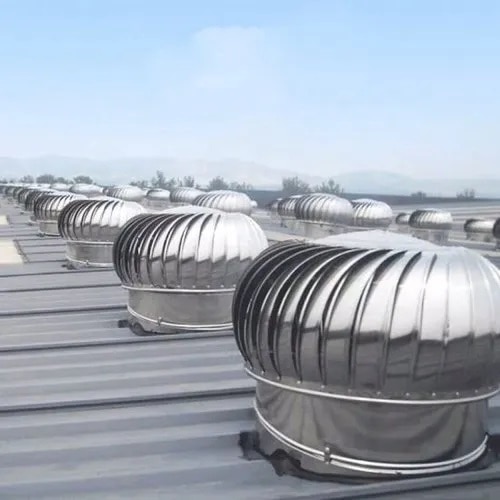 | Turbine Ventilator A turbine ventilator, also known as a turbo ventilator or wind-driven roof ventilator, is a rotating ventilation device installed on the roof of... View product → |
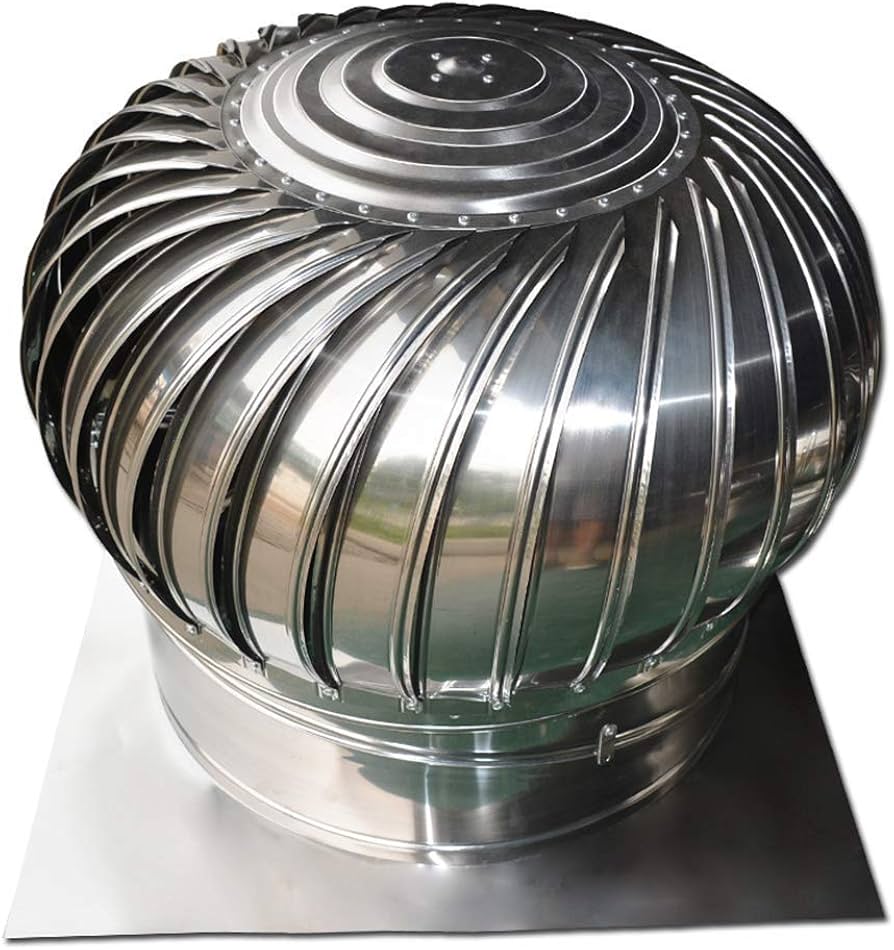 | Roofing Ventilator A roofing ventilator is a wind-driven ventilation system mounted on the roof sheet of industrial structures. View product → |
Keywords