
Industrial roofing has to do more than simply cover a building. For factories, workshops, warehouses, fabrication units, and commercial sheds, the roofing system affects weather protection, indoor working conditions, maintenance requirements, and the long-term performance of the structure.
For buyers evaluating a Roofing Sheet Manufacturer in Bhosari, the right decision starts with understanding the project rather than comparing sheet prices alone. Bhosari's industrial environment includes manufacturing facilities, engineering units, warehouses, and supporting businesses where roofing materials may be exposed to heat, dust, rain, and continuous operational activity.
Start With the Building Application
The appropriate roofing sheet depends heavily on where it will be installed.
Common applications include:
- Factory sheds
- Industrial warehouses
- Fabrication workshops
- Production facilities
- Storage buildings
- Commercial structures
- Equipment shelters
- Loading and dispatch areas
A warehouse may prioritise weather protection and economical coverage, while a manufacturing unit may need roofing that also supports daylighting or ventilation.
Understand the Main Roofing Material Options
GI sheets are widely considered for industrial and utility structures because of their practical combination of strength and corrosion protection.
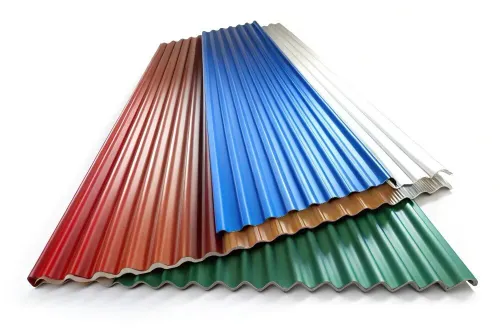
Color-coated roofing sheets provide additional surface protection while offering a cleaner architectural appearance. They are often selected for factories, warehouses, commercial buildings, and industrial sheds where appearance and durability both matter.
Polycarbonate sheets serve a different purpose. They can be incorporated into roofing systems to introduce natural daylight into selected areas, potentially reducing dependence on artificial lighting during daytime operations.
The correct solution may therefore involve one material or a carefully planned combination.
Look Beyond Sheet Thickness
Thickness is important, but it should not be the only specification procurement teams evaluate.
Discuss factors such as:
- Base material
- Sheet profile
- Effective coverage width
- Coating or surface finish
- Required sheet length
- Roof slope
- Supporting structure
- Fastening requirements
- Exposure conditions
- Quantity and delivery schedule
Comparing quotations without matching these specifications can create misleading price differences.
Why Profile Selection Matters
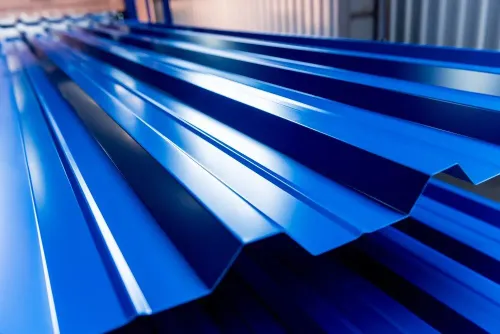
The profile of a roofing sheet influences its stiffness, drainage behaviour, overlap arrangement, and compatibility with the supporting structure.
For industrial sheds, profile selection should therefore be coordinated with the roof design and purlin arrangement. Choosing sheets purely because a particular profile is readily available may result in avoidable installation complications.
Consider Pune's Seasonal Conditions
Industrial buildings in Pune, Maharashtra, experience strong summer sunlight and seasonal monsoon rainfall. Roofing decisions should account for drainage, overlaps, fastening, and water entry prevention.
For large industrial roofs, even small installation inconsistencies can become significant because of the total roof area involved.
Procurement teams should therefore discuss both material characteristics and installation requirements before finalising an order.
Evaluate Manufacturer Capabilities
A useful manufacturer discussion should cover more than the basic rate.
Ask whether the supplier can support:
- Different roofing profiles
- Project-specific sheet lengths
- GI and color-coated options
- Polycarbonate daylighting requirements
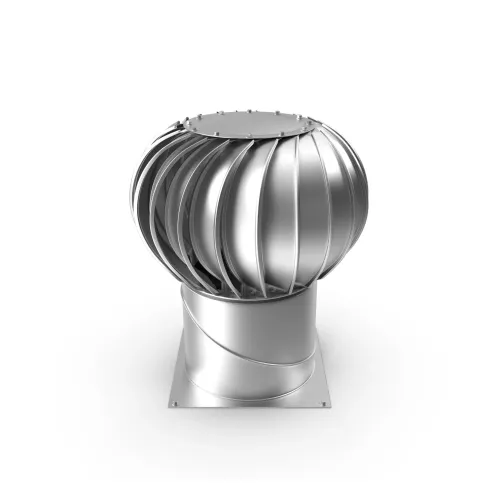
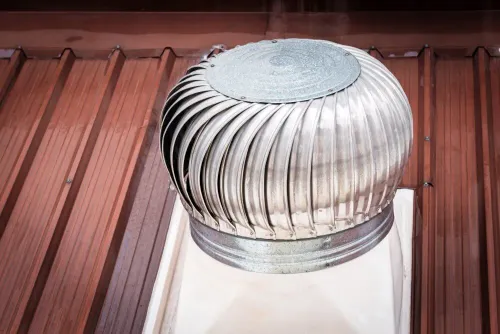
- Industrial ventilation components
- Bulk project quantities
- Coordinated dispatch schedules
Hi Tech Patra Depo works in roofing sheets and ventilation systems for industrial and commercial requirements. Buyers can use project drawings, measurements, or bill-of-quantity details when discussing requirements so that specifications can be reviewed more accurately.
Avoid Buying on Price Alone
The lowest quoted sheet rate does not necessarily indicate the lowest project cost.
Incorrect lengths can increase cutting and wastage. Poor specification matching can affect installation. Inconsistent supply can interrupt roofing work and increase labour downtime.
For B2B buyers, total procurement value should therefore consider material suitability, usable coverage, quantity accuracy, delivery planning, and compatibility with the structure.
A dependable Roofing Sheet Manufacturer in Bhosari should help buyers understand these practical considerations before materials reach the project site. For industrial roofing, specification clarity at the purchasing stage can prevent costly corrections during installation.
Keywords