Buying GI roofing sheets for a factory, warehouse, workshop, or commercial shed can look straightforward until quotations begin arriving with different thicknesses, profiles, dimensions, and coverage specifications.
A structured checklist helps buyers evaluating a GI Roofing Sheet Manufacturer in Shikrapur compare offers on a consistent basis.
1. Confirm the Application
Start by defining exactly where the roofing sheets will be installed.
A temporary utility shed and a permanent industrial warehouse do not necessarily require identical specifications.
Share the building type, roof area, operating environment, and expected usage with the supplier.
2. Verify Sheet Thickness
Thickness directly affects material quantity, weight, handling, and performance.
Do not compare two quotations unless the thickness specification is clearly stated and equivalent.
3. Check the Profile
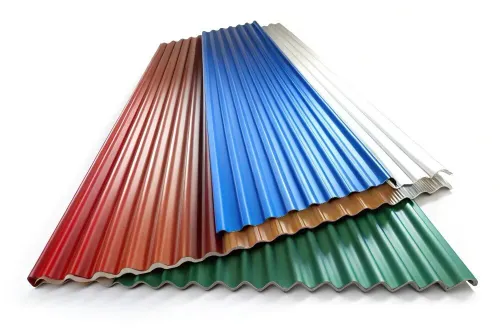
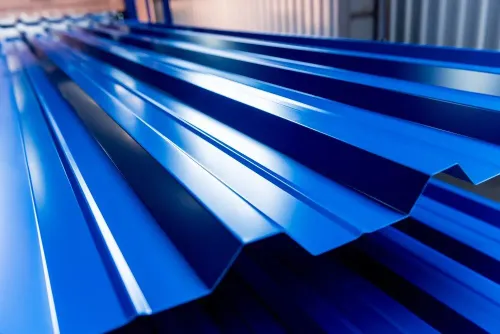
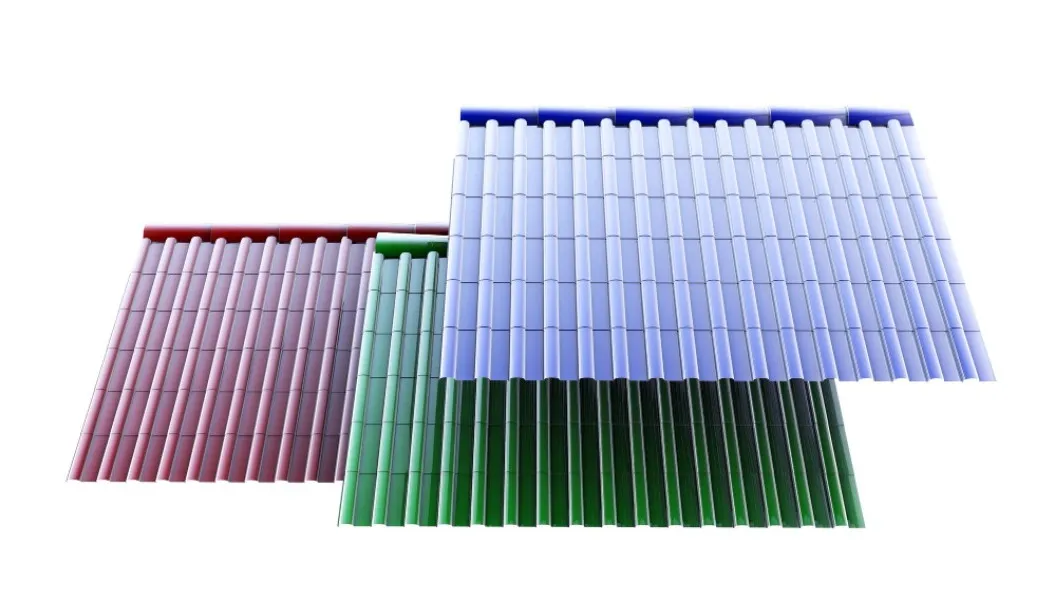
Different roofing profiles provide different rib patterns and effective coverage.
The profile should be compatible with the structural layout and installation requirements.
4. Ask About Effective Coverage Width
This is particularly important for quantity estimation.
Because sheets overlap during installation, the total physical width cannot always be treated as usable roof coverage.
Contractors should calculate requirements using effective coverage.
5. Finalise Sheet Lengths
Project-specific lengths can reduce cutting and wastage.
However, practical handling and transportation should also be considered. Very long sheets require adequate access, unloading arrangements, and lifting capability.
6. Calculate the Complete Quantity
Include more than the main roof area.
Allow for:
- Required overlaps
- Ridge sections
- Flashing
- Edges
- Openings
- Roof geometry
- Reasonable installation allowances
Accurate measurements reduce both shortages and unnecessary surplus.
7. Check Fastening Requirements
Fasteners form an important part of a metal roofing system.
The type, quantity, placement, and installation method should suit the selected sheet and supporting structure.
8. Plan for Monsoon Drainage
Shikrapur lies within Pune's broader industrial and development region, where monsoon rainfall makes roof drainage an important consideration.
Roof slope, sheet overlap, gutters, flashing, and drainage paths should be planned before installation.
9. Consider Daylighting
Large sheds can require artificial lighting throughout working hours if the roof is completely opaque.
Where appropriate, selected polycarbonate roofing sections may be integrated to provide daylight.
The exact requirement should be determined from the building layout rather than applying a fixed percentage to every project.
10. Consider Ventilation
Factories and warehouses can accumulate heat under metal roofs.
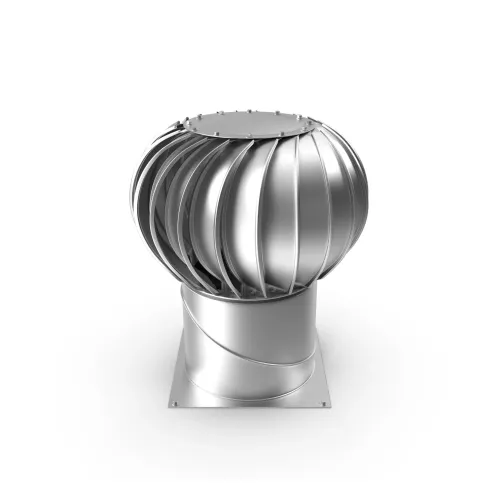
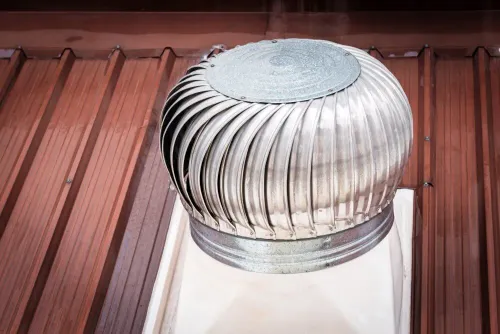
If natural ventilation is required, turbine ventilators or other ventilation provisions should be considered during roof planning.
Hi Tech Patra Depo supplies roofing and ventilation materials for industrial and commercial applications. Discussing the complete project requirement rather than ordering sheets independently can help identify related components before work begins.
Keep Documentation Clear
For B2B procurement, maintain a written specification containing the selected profile, thickness, dimensions, quantity, accessories, and delivery requirements.
This is particularly useful when materials are delivered in multiple lots.
A reliable GI Roofing Sheet Manufacturer in Shikrapur should be able to discuss specifications clearly before the order is finalised. A disciplined buying process reduces ambiguity and gives contractors, builders, and factory owners better control over material planning and installation.
Keywords