Selecting an industrial ventilation system is about more than simply choosing a product that fits the roof. The effectiveness of roof ventilation depends on product quality, engineering design, installation planning, and long-term durability. Businesses comparing a Turbine Air Ventilator Manufacturer should therefore evaluate several practical factors before making a purchasing decision.
Industrial buildings often experience continuous heat accumulation due to machinery, production activities, lighting systems, and roofing exposure to sunlight. Without adequate ventilation, indoor environments may become less comfortable and place additional strain on cooling systems where installed.
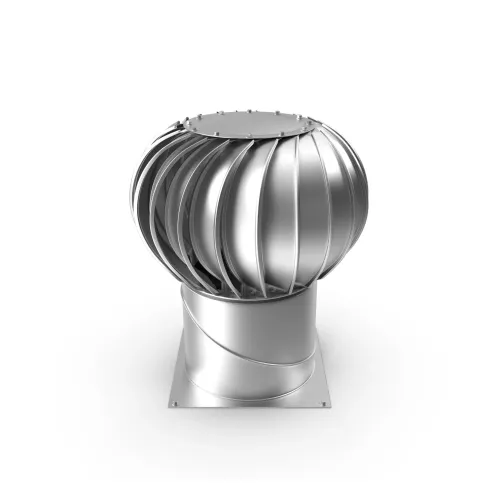
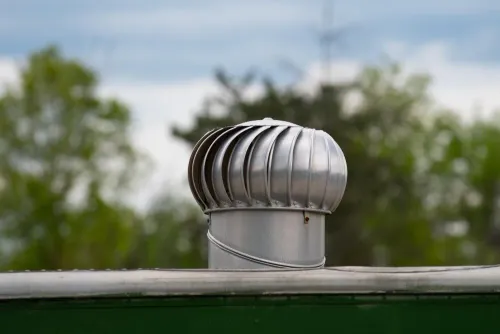
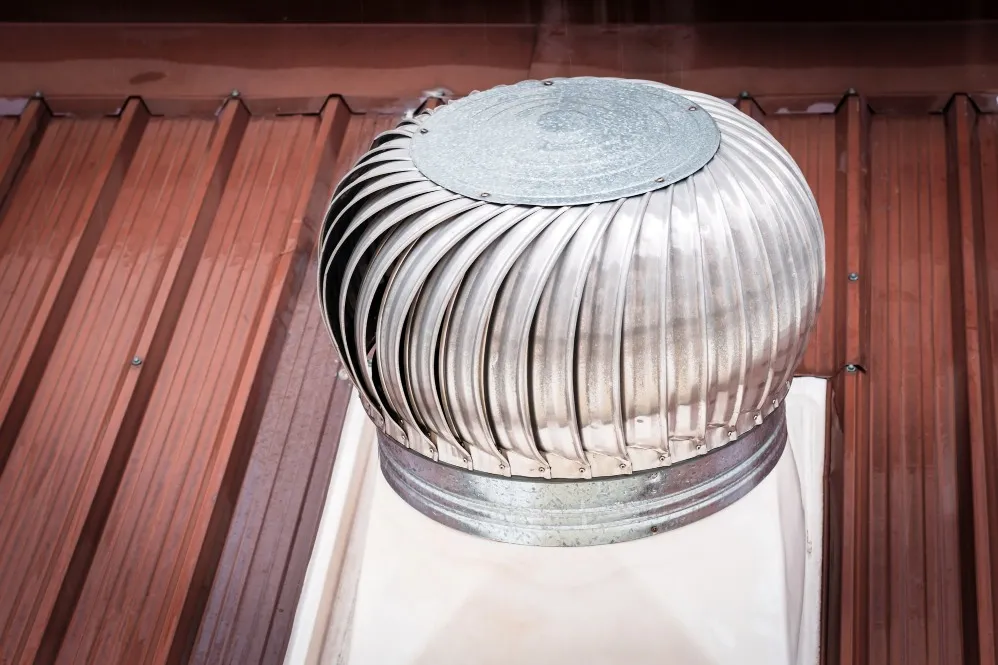
Turbine air ventilators provide natural ventilation by removing hot air through wind-powered rotation. Because they operate without electricity, they are commonly used in factories, warehouses, workshops, logistics centres, and commercial buildings seeking energy-efficient ventilation solutions.
Industrial development across Pune and nearby regions has increased awareness of sustainable building practices. Natural ventilation systems are increasingly considered during the design stage rather than as an afterthought following project completion.
When comparing manufacturers, buyers should begin by examining material quality. Stainless steel, aluminium, and galvanized components each offer different characteristics depending on environmental conditions and application requirements.
Key evaluation points include:
- Build quality and engineering precision.
- Weather resistance and corrosion protection.
- Smooth bearing operation.
- Expected service life.
- Air extraction efficiency.
- Product testing and manufacturing standards.
- Maintenance requirements.
- Availability of installation support.
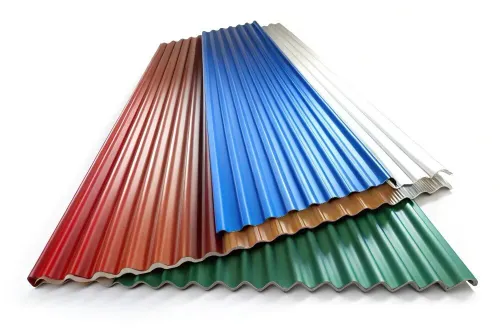
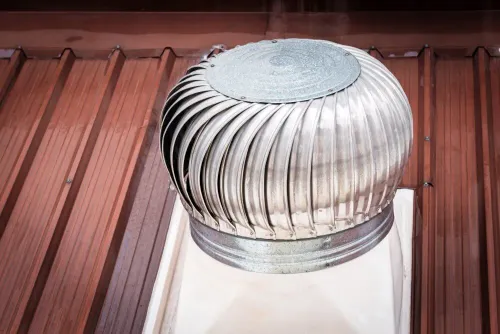
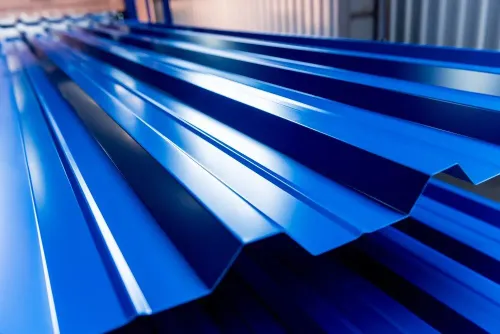
Another important consideration is roof compatibility. Different industrial buildings feature varying roof profiles, slopes, and structural designs. Ventilators should integrate correctly with the roofing system to maintain weather protection while ensuring effective airflow.
Building size also influences product selection. A small warehouse and a large manufacturing plant may require different numbers of ventilators depending on floor area, roof height, equipment-generated heat, and airflow requirements. Proper planning improves overall ventilation performance.
Many procurement teams focus primarily on product cost. However, evaluating lifecycle value often provides a more accurate comparison. Durable ventilators that require less maintenance may offer better long-term returns than lower-cost alternatives requiring frequent servicing or replacement.
Installation quality is equally important. Incorrect placement or inadequate sealing may reduce ventilation efficiency and create maintenance challenges. Experienced installers typically follow manufacturer guidelines regarding spacing, positioning, and weatherproof installation techniques.
Modern industrial facilities increasingly combine turbine ventilators with insulated roofing, skylights, and natural lighting systems to create balanced working environments. These integrated building solutions contribute to improved operational efficiency while supporting employee comfort.
Hi Tech Patra Depo supplies roofing and ventilation products that support industrial infrastructure projects across Pune and surrounding manufacturing zones. The company assists contractors, builders, and industrial buyers in selecting products suited to different project specifications and operational needs.
Choosing the right Turbine Air Ventilator Manufacturer ultimately requires evaluating product quality, engineering standards, installation compatibility, and long-term performance rather than making decisions based solely on initial pricing. Careful assessment during procurement helps businesses invest in ventilation systems that continue delivering reliable performance for years while supporting healthier and more efficient industrial spaces.
Keywords