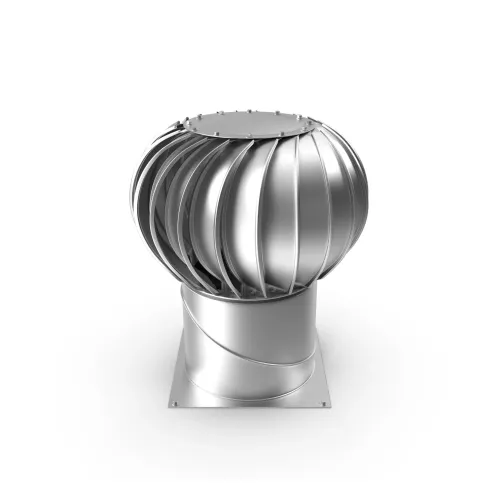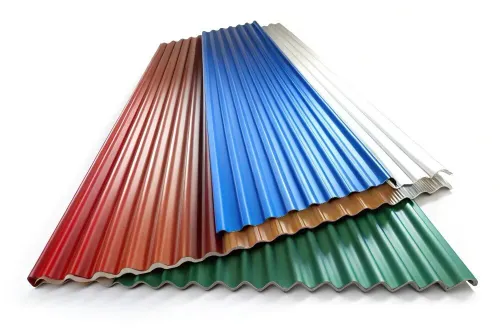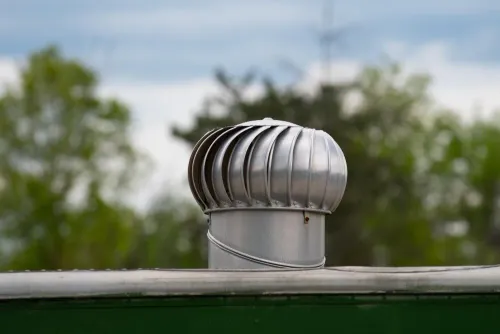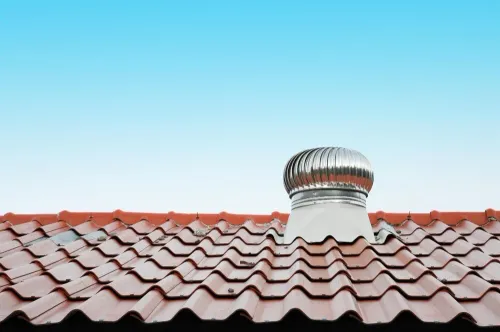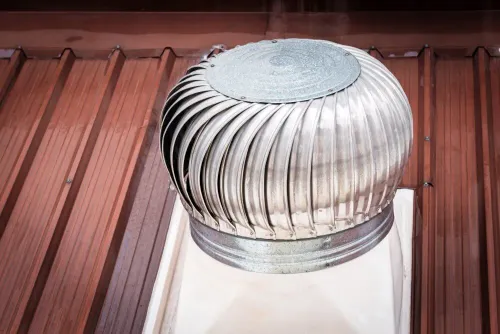
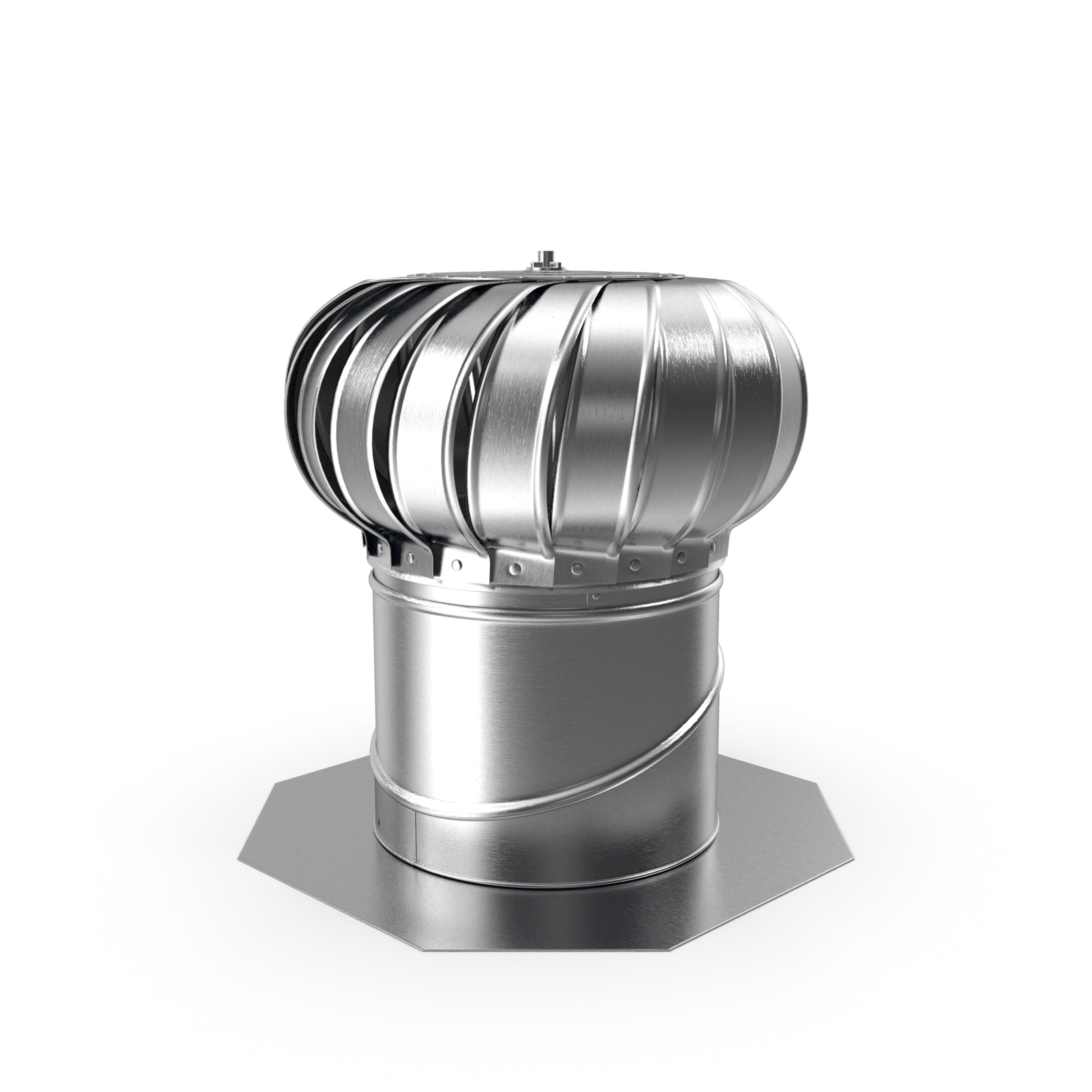
A wind-driven roof ventilator can reduce heat trapped beneath a sheet roof, but it cannot solve every air-quality or temperature problem. You will be able to test your building’s airflow path, compare alternatives, identify unsuitable applications and prepare the questions needed before ordering or cutting the roof.
Key takeaways
- Measure indoor heat, moisture and occupancy before selecting a ventilator.
- Confirm wind exposure and a clear replacement-air path.
- Compare passive ventilators with fans, louvers and cooling systems.
- Reject the roof cut-out when ventilation cannot solve the building’s main problem.
Start with the building’s heat, air and occupancy profile
A small property has enough heat or moisture buildup to justify a roof ventilator when indoor conditions remain hotter, damper or stuffier than outdoors during occupied hours.
Roofing ventilators for small properties in Pirangut suit spaces where warm air can rise to a high roof outlet and replacement air can enter through doors, windows or low-level openings.
Check the profile before counting units:
- Workshops and garages: look for heat from welding, compressors, engines or machinery.
- Small warehouses and shops: assess heat stored under metal sheets, customer occupancy and whether doors stay closed.
- Poultry sheds: consider bird heat, litter moisture and ammonia; general roof exhaust does not replace designed hygiene control.
- Homes: identify recurring upper-room heat or bathroom moisture rather than assuming every roof needs a ventilator.
Floor area alone is not a sizing method. Record roof height, number of occupants, operating hours, indoor heat sources, visible condensation and the temperature difference you need to reduce. A high roof with strong heat buildup has a better case than a low, shaded room with little occupancy.
Do not use a passive unit as the answer to welding fumes, solvent vapour, combustion gases or reliably timed night cooling. Those conditions need source extraction or powered airflow. If the space feels comfortable with doors open and has no persistent moisture or heat problem, the installation cost and roof cut-out may deliver little benefit.
Check the roof position, wind exposure and replacement-air path
A roof can support a ventilator effectively only when it offers a strong, high-level outlet, adequate wind exposure and a clear path for replacement air. A unit mounted below a ridge, behind a parapet or on a sheltered roof slope will discharge poorly, even if its diameter appears suitable.
Check these conditions before approving a roof cut-out:
- Confirm the roof pitch falls within the ventilator’s stated minimum and maximum range, and verify that its curb suits your sheet profile.
- Keep the outlet above obstructions such as parapets, taller adjoining roofs and large water tanks.
- Identify low-level inlets on the opposite wall, through eave vents, doors or dedicated louvers; sealing every opening can make the exhaust unit pull dusty air through gaps.
- Request the unit’s free area, rated airflow or performance curve, not only a nominal diameter or “air changes” claim.
- Inspect the roof structure and specify a curb, flashing and sealant detail that will not overload or distort the sheet.
- For Pirangut’s monsoon squalls, require a rain hood, baffle or turbine head designed for wind-driven rain.
- Keep the discharge away from occupied windows, neighbouring premises and areas where fumes or contaminated air could be drawn back inside.
Do not size a roofing ventilator in Pirangut by floor area alone. Roof height, heat load, inlet area and tested free-air performance determine whether one unit works or several are needed. A sealed room with no inlet path will not receive the airflow shown in a catalogue.
Compare passive ventilation with fans, louvers and cooling systems
Choose a passive roof ventilator when you need low-maintenance relief from roof-level heat, not guaranteed cooling. Natural airflow depends on stack effect and wind, so a correctly placed high-level outlet still performs poorly if the roof has no low-level replacement-air path.
| Option | Airflow reliability | Temperature control | Best fit |
|---|---|---|---|
| Passive roof ventilator | Intermittent; depends on wind, indoor-outdoor temperature difference and roof position | Removes trapped roof heat, but rarely cools occupied rooms when outdoor air is already warm | Garages, small godowns, workshops and sheds with heat buildup |
| Powered exhaust fan | Predictable while running; requires electrical supply and a defined inlet | Provides scheduled air changes and stronger night purging | Properties needing reliable extraction or continuous airflow |
| Louvers | Supply or transfer opening, not a complete exhaust system; wind and pressure determine flow | Little direct cooling without an exhaust path | Pairing with a roof outlet or fan |
| Air conditioner or evaporative cooler | Most controllable, with energy, maintenance and installation costs | Delivers deliberate occupied-zone temperature reduction | Shops, offices, homes and rooms needing comfort control |
Do not select a unit by floor area alone. Check roof height, inlet area, heat load and the ventilator’s tested free-air performance; “one unit per X square feet” is not a calculation. A roof ventilator for small buildings in Pirangut suits heat relief, but not welding fumes, solvent vapour, combustion gases or high humidity.
Use designed mechanical extraction and make-up air for those hazards, with cooling added when temperature control is the priority.
Recognise when a roof ventilator is the wrong tool
A wind-driven roof ventilator is the wrong tool when you need a guaranteed airflow rate, clean incoming air, or a controlled indoor temperature. Its output changes with wind and temperature difference, so it cannot promise continuous night-time air changes.
Choose mechanical extraction when the property contains a welding bay, solvent use, engine exhaust, combustion equipment, or a process that creates high humidity. Use source-capture hoods or local exhaust near the contaminant, with designed make-up air; a roof turbine only dilutes fumes after they enter the room.
Choose filtration when outdoor dust, smoke, or fine particles must be kept out. A passive ventilator has no filter, fan pressure, or verified air-change rate, and larger roof openings can draw dirty air through gaps.
Choose controlled cooling when occupants, stock, or equipment need a set temperature, or when outdoor air is nearly as warm as indoors. Use insulation, solar shading, a light-coloured roof and a correctly sized air-conditioner or evaporative cooler instead of relying on roof-level heat removal.
Before approving a wind-driven unit, check these disqualifiers:
- You need airflow that remains stable during calm weather.
- The building stores flammable materials or contains a hazardous atmosphere.
- Exhaust could carry contamination toward doors, windows, neighbours or air intakes.
- A monsoon-safe curb, flashing, hood and seal cannot be detailed around the roof penetration.
If any item applies, specify the mechanical, filtration or cooling system first. Treat a roof ventilator only as supplementary heat relief.
Use a supplier checklist before approving the roof cut-out
Before approving the roof cut-out, get written installation and performance information from the roofing ventilator supplier in Pirangut. A nominal diameter or “one unit per X square feet” claim is not enough to compare products.
1. Ask for the free area, rated airflow, tested performance curve, and the wind speed used for testing. Confirm the minimum and maximum roof pitch, permitted sheet profiles, required inlet area, and whether the quoted output assumes unobstructed wind exposure.
2. Have the installer record purlin spacing, sheet condition, roof pitch, skylight and exhaust-outlet clearances, access arrangements, and the proposed curb load. Approve the cut-out size only after confirming that the sheet and supporting members can carry the assembly without weakening or distorting the roof.
3. Obtain a drawing showing the rain hood, baffle or turbine head, curb, flashing, fasteners, and sealant system. Pirangut’s monsoon squalls can force rain through a poorly detailed penetration even when the ventilator performs well in dry weather.
4. Confirm the replacement-air route at low level, such as opposite-wall louvers, dedicated inlets, or a door-to-roof pressure path. Sealing every opening while adding only an exhaust outlet can reduce airflow and pull dusty air through unintended gaps.
5. Request the material grade, coating specification, corrosion protection, cleaning method, inspection interval, bearing or moving-part service needs, spare-part availability, and warranty exclusions. Hi Tech Patra Depo can include these items in a quotation so you can compare maintenance obligations rather than just unit prices.
Related products
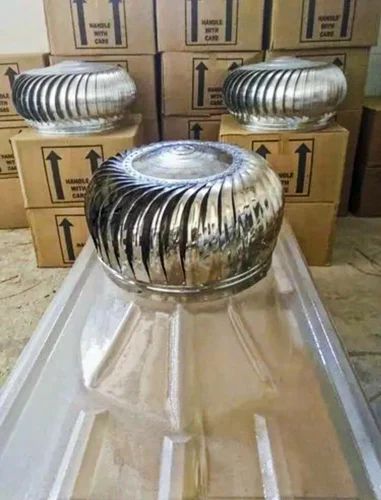 | Roof Turbo Ventilator Manufacturer, Supplier, Distributor, Dealers in Pune, Pimpri Chinchwad, Chakan, Talawade – Energy Efficient Ventilation Solutions Looking for a... View product → |
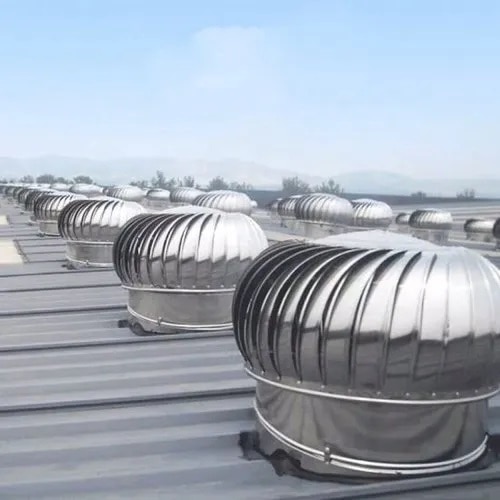
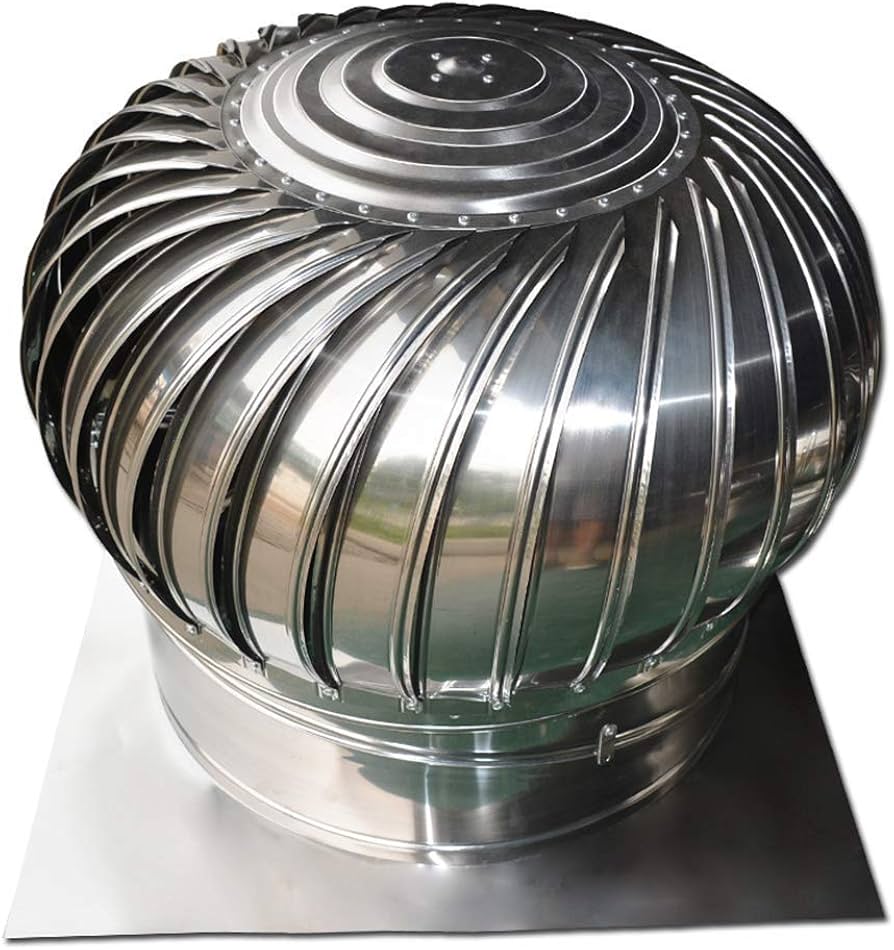 | Roofing Ventilator A roofing ventilator is a wind-driven ventilation system mounted on the roof sheet of industrial structures. View product → |
Frequently asked questions
How do you know whether a small property needs a roof ventilator?
Compare indoor and outdoor conditions during occupied hours. Persistent indoor heat, dampness or stale air indicates a ventilation problem worth investigating.
What should you check before installing a roof ventilator?
Check roof position, wind exposure and the path through which replacement air will enter. Without an inlet path, a roof ventilator cannot remove air effectively.
How does passive roof ventilation compare with fans and cooling systems?
Passive ventilators use wind and the stack effect without electrical power. Fans provide controlled airflow, louvers provide openings, and cooling systems reduce temperature rather than primarily removing air.
When is a roof ventilator the wrong solution?
Choose another approach when the main issue is inadequate replacement air, high process heat, humidity requiring dehumidification, poor insulation or a need for precise temperature control.
What should you ask a supplier before approving a roof cut-out?
Ask for airflow assumptions, ventilator size, roof compatibility, flashing details, weather sealing, structural clearance, installation method and maintenance requirements.
Related products
 | Turbine Ventilator Turbine Air Ventilator Manufacturer, Supplier, Distributor, Dealers, Trader In Pune, PCMC, Chakan, Talawade – Efficient & Energy Saving Ventilation... View product → |
 | Turbine Ventilator A turbine ventilator, also known as a turbo ventilator or wind-driven roof ventilator, is a rotating ventilation device installed on the roof of... View product → |
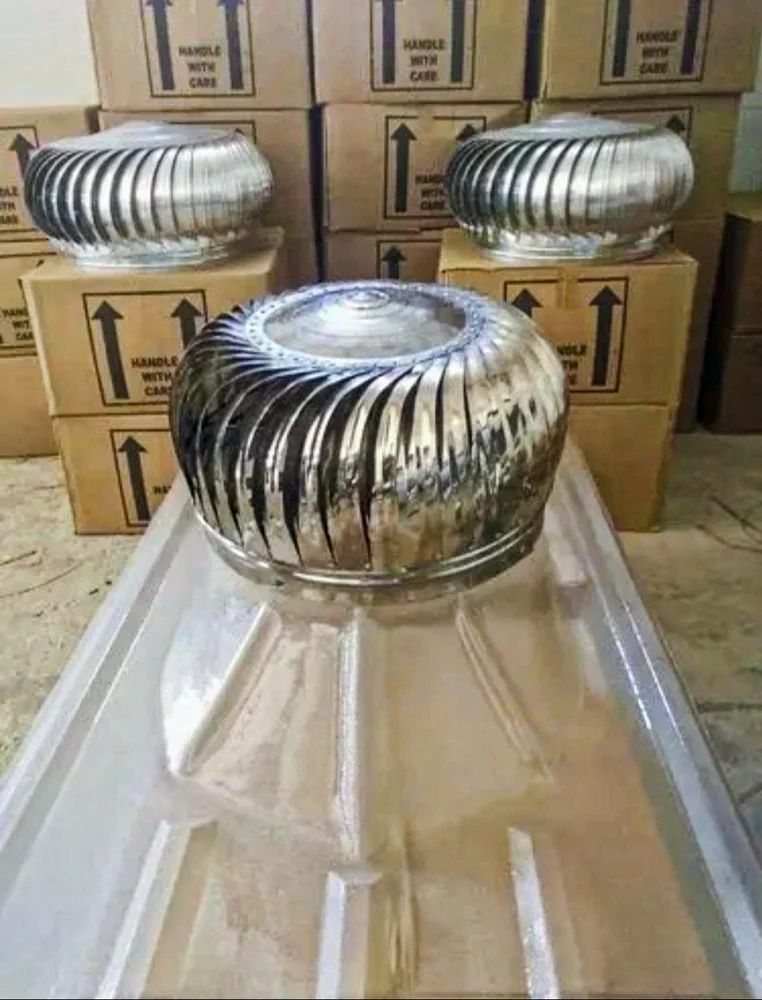 | Turbo Ventilator Fan Hi Tech Patra Depo – Leading Turbo Ventilator Fan Manufacturer, Supplier, Distributor, Dealers in Pune, Pimpri Chinchwad Hi Tech Patra Depo is a... View product → |
Keywords