Start by separating dirt, fading and chalking from coating failure, corrosion, leakage and damage to the metal itself. You will be able to inspect the roof safely, decide whether to clean, repair or replace it, and brief a contractor so the same failure does not return.
Key takeaways
- Separate dirt and fading from chalking, peeling, rust and perforation.
- Do not walk on damaged sheets; inspect from a secured access route.
- Replace sheets with holes, advanced red rust or failed structural laps.
- Correct condensation, chemical exposure and drainage faults before reroofing.
Identify the failure before you touch the roof
A discoloured coated roofing sheet is not automatically a replacement case. Identify whether you are seeing dirt, fading, chalking, peeling paint, white rust, red rust, perforation or movement at laps and fasteners.
Coated roofing sheet damage concentrated at cut edges, drilled holes and mitred corners points to exposed metal, swarf or poor detailing; stains below exhaust outlets, gutters or trapped wet deposits indicate a site-specific corrosion source.
| Visible sign | What it usually means | Decision |
|---|---|---|
| Surface dirt, fading or chalking | Deposits or weathered coating; metal remains intact | Clean and assess for compatible recoating |
| Peeling or blistered coating | Adhesion failure exposing the substrate | Test the metal; repair or replace affected sheets |
| White rust | Zinc coating attacked by trapped moisture | Remove deposits and inspect coating thickness |
| Red rust at edges, laps or fasteners | Steel is exposed and corrosion is advancing | Replace if metal is thinning or leakage has started |
| Puncture, loose lap, active drip or wind-lifted sheet | Physical failure, failed sealing or movement | Treat as urgent professional repair or replacement |
Isolate the area below active drips, falling flakes or loose sheets immediately. Do not walk on wet, corroded or visibly sagging panels, and do not apply a ladder patch; a fall or hidden perforation can turn a small leak into a major failure.
Use fall protection and call a qualified roof professional to examine the underside, laps, penetrations and supporting steel. That is the correct response when searching for a coated roofing sheet for problems in Pimpri Chinchwad.
Inspect the roof safely and map the problem
Keep people out of the area beneath active drips, loose sheets, and falling debris. Do not walk on wet, corroded, translucent, or visibly sagging sheets, and do not reach from a ladder to apply a patch.
Use a qualified roof professional with a secured access route, edge protection, and fall-arrest equipment attached to an approved anchor.
Inspect from the ground first, then from a protected roof route. Mark each finding on a roof plan or photograph so isolated coating defects do not hide a wider failure pattern.
- Check gutters, downpipes, ridge caps, valleys, laps, flashings, skylights, and ventilator bases for blocked drainage, open joints, and displaced seals.
- Examine cut ends, drilled holes, mitred corners, fasteners, and washers for red rust, white rust, staining, or coating loss. Remove loose swarf with a soft brush or vacuum; abrasive grinding can enlarge coated roofing sheet damage.
- Inspect representative underside areas for perforation, thinning, rust, and condensation staining. Moisture on the underside can come from humid air meeting a cold sheet, not from rain.
- Check purlins, cleats, bracing, and other supporting steel for corrosion, sagging, loose connections, and enlarged fastener holes before anyone quotes replacement.
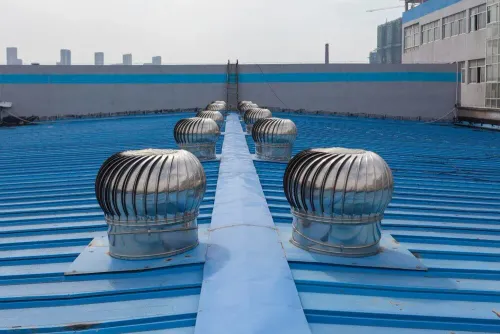
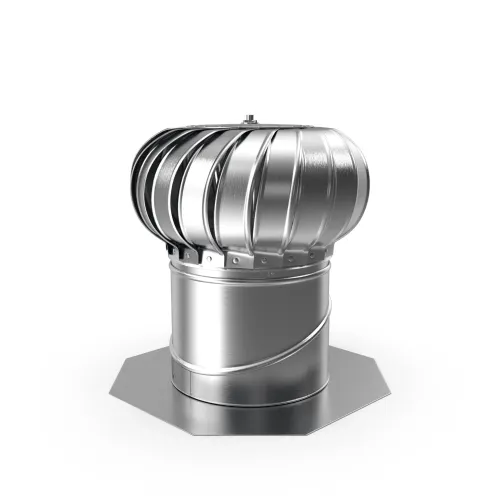
- Inspect every roof-mounted ventilator for distorted surrounding sheets, failed flashing, seal gaps, and fastener pull-out; sealing its base alone can leave a wind-driven leak.
Record leak locations separately from visible stains, then compare them with laps, penetrations, and support lines. This map gives the contractor evidence instead of encouraging a patch over the first damaged sheet.
Choose between cleaning, repair and sheet replacement
A cleanable coating problem leaves the metal intact: remove dirt, chalking or fading, then use a compatible recoating system. Peeling paint, red-rust expansion, perforation, thinning metal or repeated leakage means the sheet has lost protection or capacity and needs replacement.
| Option | What it means | When it applies |
|---|---|---|
| Cleaning | Remove dirt, salts, loose surface deposits and carbon-steel swarf without abrading the paint film. | Surface staining, light chalking or fading with no exposed steel, perforation or active leak. |
| Repair | Seal or replace a failed fastener, lap seal, flashing or isolated cut-edge defect after preparing sound metal. | One local leak or edge-corrosion spot where the surrounding sheet remains firm and dry. |
| Partial replacement | Remove damaged sheets or sections and match the existing profile, thickness and coating system. | Local perforation, severe rust around holes or corners, or damage confined to a defined roof area. |
| Full replacement | Remove the coating-failed roof and install a new system across the affected run or roof plane. | Widespread underside corrosion, multiple leaks, repeated wind damage, widespread perforation or visibly thin sheets. |
Before approving coated roofing sheet replacement, have the contractor check purlins, cleats and fastener holes. Weak supports can make new sheets leak or fail under wind uplift. Record the profile, thickness, coating specification, fastener and lap-sealant products, photographs before concealment, and every area excluded from the work.
In Pimpri-Chinchwad, that record prevents a cosmetic touch-up from being mistaken for replacement of a failed roof.
Correct the industrial causes before installing new sheets
New sheets will not stop roofing sheet corrosion problems if the supporting steel, moisture source, contaminants and installation defects remain. Fix these causes before approving coated roofing sheet replacement.
1. Expose and assess the support system. Replace or reinforce corroded purlins, sagging members and failed cleats. Repair enlarged fastener holes; otherwise new fixings may loosen and wind uplift can damage the replacement roof.
2. Inspect representative roof undersides, not only stained top surfaces. Condensation forms when humid air meets a cold sheet and can cause underside corrosion that resembles rain leakage. Improve cross-ventilation, add insulation, or correct vapour-control and drainage details where the inspection confirms condensation.
3. Remove site contaminants. Inspect sheet ends, side laps, end laps, gutters, penetrations and areas below exhaust outlets separately. Cement dust, metal-processing dust, industrial emissions and trapped wet deposits can attack one sheltered zone faster than the rest of the roof.
4. Separate incompatible metals and debris. Keep copper, lead, untreated aluminium and carbon-steel swarf away from coated sheets, laps and gutters. Isolate dissimilar metal contact, then use fasteners and washers approved for the specified coated-steel system.
5. Correct installation defects during replacement. Set the correct lap direction, replace failed lap sealant, seal repaired penetrations, protect exposed cut edges and install fasteners without crushing washers or leaving oversized holes.
Record the installed profile, thickness, coating specification and fastener system, with photographs before areas are concealed. That evidence confirms the repair addressed the cause rather than covering another failure.
Set a replacement brief for the roofing sheet contractor
Do not approve a quote based only on the number of sheets. Require the coated roofing sheet contractor to issue a written scope showing what failed, what will be replaced, and how the supporting roof will be made sound before coated roofing sheet replacement begins.
1. Record the inspection findings, including purlin corrosion, sagging members, failed cleats, enlarged fastener holes, loose laps, penetrations and areas excluded from the work. Require photographs from above and below before removal.
2. Specify the replacement material by profile, thickness, coating system, colour, batch or delivery reference, fastener type, washer specification and lap-sealant product. If Hi Tech Patra Depo supplies the sheets, retain its delivery documents with this schedule.
3. Include every roof-mounted ventilator in the inspection. Require checks of its curb or flashing, support, fastener pull-out, seal continuity and nearby sheet distortion; sealing around the base alone is not acceptance.
4. State how installers will treat cut edges, drilled holes and mitred corners. They must remove cutting swarf immediately with a soft brush or vacuum, never abrasive grinding that damages the paint film.
5. For any recoating, specify exposed-steel preparation, compatible primer and topcoat, permitted dry-film thickness, surface cleanliness and weather limits. Reject paint applied over loose rust, damp steel, salts or uncured sealant.
6. Make final acceptance depend on photographs after installation, leak checks, secure laps and flashings, cleared gutters, removed debris, and a signed list of completed repairs and exclusions. Do not accept a cosmetic touch-up as replacement of perforated or structurally failed sheets.
Related products
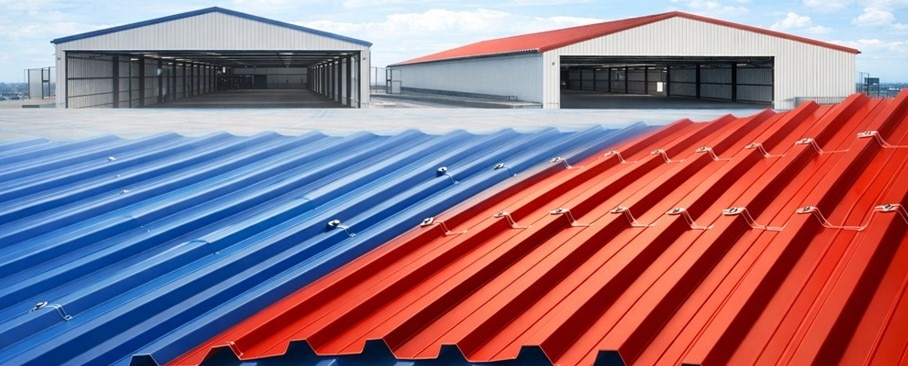 | Coated Roofing Sheet Roofing Sheet Manufacturer, Supplier, Distributor, Dealers, Trader In Pune, PCMC, Chakan, Talawade, Dehu, Khed A coated roofing sheet is a metal... View product → |
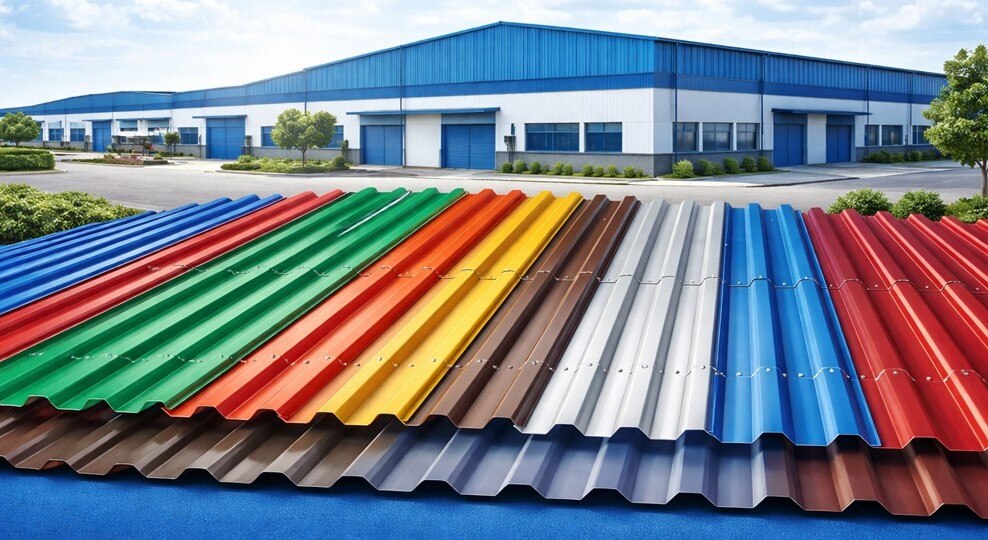 | Roofing Sheet Manufacturer, Supplier, Distributor, Dealers, Trader In Pune, PCMC, Chakan, Talawade, Dehu, Khed Hi Tech Patra Depo is a trusted and leading... View product → |
Frequently asked questions
How can you tell whether coated roofing sheet damage needs replacement?
Dirt and light fading need cleaning or monitoring. Chalking, peeling, white rust and localised surface corrosion need treatment when the steel remains sound. Replace sheets with perforation, deep red rust, severe section loss or movement at laps and fasteners.
How should you inspect a failing coated roof safely?
Do not step on suspect sheets, skylights or unsupported laps. Use a secured access route, fall protection and a competent inspector, then map stains, rust, holes, loose fasteners and leaking joints from safe positions.
What causes roofing sheet corrosion problems in industrial buildings?
Common causes include trapped moisture at laps, blocked gutters, condensation, damaged coatings, incompatible metals, chemical fumes and incorrect fastener installation. Fix the source before fitting replacement sheets.
What should you include in a coated roofing sheet replacement brief?
Specify roof measurements, profile and thickness, coating or finish, sheet lengths, lap direction, fastener type and spacing, flashings, insulation, access controls, waste removal, leak testing and the repair boundary.
Related products
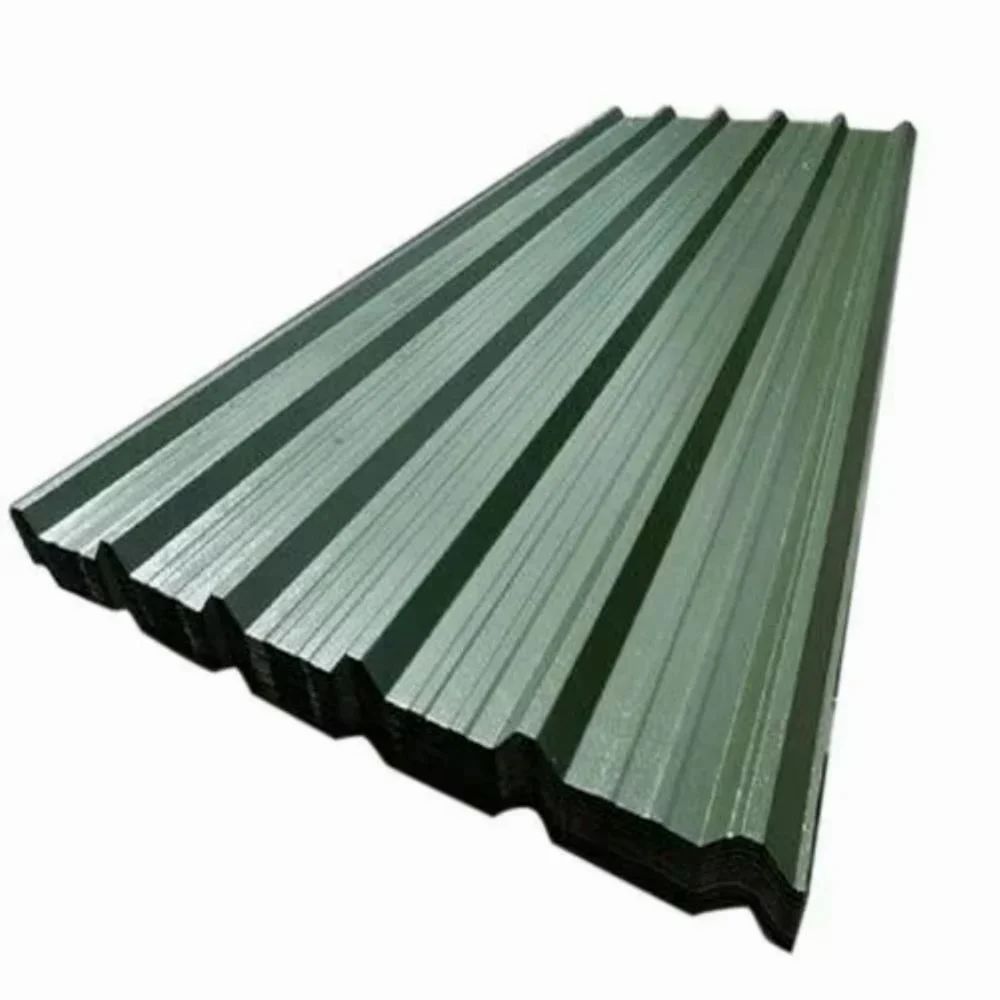 | Coated Roofing Sheet Manufacturer, Supplier, Distributor, Dealers, Trader In Pune, PCMC, Chakan, Talawade Looking for high-quality Colour Coated GI Roofing Sheets for... View product → |
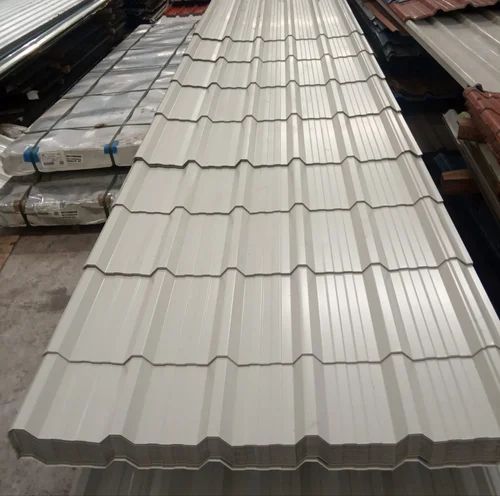 | Roofing Sheet Manufacturer, Supplier in Pune, PCMC, Chakan, Bhosari, Talawade, Dehu – Durable & High-Performance Roofing Solutions Hi Tech Patra Depo is a leading... View product → |
Keywords